Author Archives: Liz

Cuba: police attack two lesbians

cuban-police-brutality.png

Two young lesbians were arguing in the street when two Cuban police officers arrived at dawn on Saturday [24 August 2019]. According to witnesses who were there at that time, as they arrived they began beating them.

A neighbour witnessed the events and decided to record the attack with his mobile. He later sent it to CubaNet. The video is not very good quality, but we can see one of the police drag one of the women by the feet and beat her.

What witnesses said:

  • “One of them shouted: film. I got very nervous and took what I could.”
  • “The police as soon as they arrived began to beat them, they got angry. It was as if they wanted to give it to someone and they took it out on them.”
  • “It’s hate that cops have for ‘ birds’ and even more for lesbians.”

(Translated)

Dos jóvenes lesbianas discutían en la calle cuando llegaron dos agentes de la policía cubana en la madrugada del sábado. Según testigos que estaban en ese momento, según llegaron comenzaron a golpearlas.

Un vecino presenció los hechos y decidió grabar con su móvil el ataque. Más tarde las envió al CubaNet. El vídeo no es de muy buena calidad, pero podemos ver como uno de los policías arrastra a una de las mujeres por los pies y las golpean.

Algunos testigos dicen

  • “Una de ellas gritaba: ‘filmen’. Yo me puse muy nervioso y cogí lo que pude”.
  • “La policía en cuanto llegó empezó a golpearlas, se ensañaron. Era como si tuvieran ganas de darle a alguien y la cogieron con ellas”.
  • “El odio que le tienen los policías a los ‘pájaros’ y más a las lesbianas”.

(Original)

COntinue reading at: http://www.mirales.es/dos-lesbianas-atacadas-en-la-habana-por-dos-policias (Source)


Historic ruling: Chilean state violated the rights of a lesbian teacher

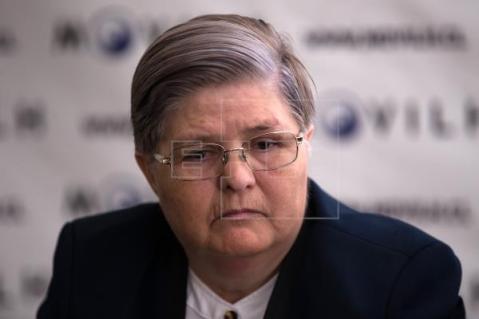
Sandra Pavez

The Inter-American Commission on Human Rights (IACHR) has declared the State of Chile responsible for violating the principle of equality and private life of Sandra Pavez, a religion teacher who was banned from teaching in 2007 for being a lesbian, according to the Homosexual Integration and Liberation Movement (MOVILH), the organisation that represents the teacher.

After eleven years of investigation, the IACHR concluded that the Chilean State violated Pavez’s private life and autonomy, the principle of equality and non-discrimination, and also the principles of access to public service and work on equal terms.

Pavez was a teacher of religion at a municipal school in Santiago from 1985 until in 2007 the Catholic Church revoked the certificate of suitability that allowed her to teach.

The teacher maintains that this happened after she admitted that she was a lesbian and maintained a relationship with another woman, and refused to undergo psychological therapies offered by the Church to reverse her sexual orientation.

“The sorrows of hell came upon me. I was told to deny what I was, and to deny that is to deny myself, I am a human being and I cannot deny what I am,” Pavez explained.

The Church acted under a decree of the Ministry of Education in force since 1983 that regulates the teaching of religion in educational settings and allows the clergy to decide who can teach in that area.
(Translated)


La Comisión Interamericana de Derechos Humanos (CIDH) declaró al Estado de Chile responsable de vulnerar el principio de igualdad y la vida privada de Sandra Pavez, una profesora de religión a la que en 2007 se le prohibió dar clases por ser lesbiana, señaló este miércoles el Movimiento de Integración y Liberación Homosexual, entidad que representa a la docente.

Después de once años de investigación, la Comisión Interamericana de Derechos Humanos (CIDH) concluyó que el Estado chileno violó la vida privada y la autonomía de Pavez, el principio de igualdad y no discriminación, y también el acceso a la función pública y al trabajo en condiciones de igualdad.

Pavez era profesora de religión en un colegio municipal de Santiago desde 1985 hasta que en 2007 la Iglesia católica le revocó el certificado de idoneidad que le permitía ejercer su labor docente.

La profesora sostiene que esto ocurrió después de que admitiera que era lesbiana y mantenía una relación con otra mujer, y se negara a someterse a terapias psicológicas que le ofreció la Iglesia para revertir su orientación sexual.

“Las penas del infierno vinieron sobre mí. Se me dijo que negara lo que era, y negar eso es negarme a mí misma, soy un ser humano y no puedo negar lo que soy”, explicó Pavez.

La Iglesia actuó bajo el amparo de un decreto del Ministerio de Educación vigente desde 1983 que regula la docencia de religión en los recintos educacionales y permite al clero decidir quiénes pueden dar clase en esa materia.
(Original)

Continue reading at: https://www.efe.com/efe/america/sociedad/la-cidh-acusa-a-chile-de-vulnerar-los-derechos-una-profesora-lesbiana-religion/20000013-4072400 (Source)

Germany: Azerbaijani lesbian forced to return to persecution for avoidable visa formality

L2L Germany
A lesbian living in Hamburg must apply for a new visa in Azerbaijan, even though she is threatened with persecution there. The authority suggests that she should just keep her homosexuality a secret.

According to [her lawyer] Brenneisen, what sounds like an annoying formality is a life-threatening threat to Maria M. According to the German embassy in Baku, the visa would take four to eight weeks. That’s how long Maria M. would have to stay in Azerbaijan. During this time she would be exposed and under threat as a lesbian. Above all, she is afraid of her own family, Maria M. tells the administrative judge in a low voice and in a pleading tone. Her brother is strictly religious – he will never accept the homosexuality of his own sister. Due to her fear, she is now in psychotherapy.

The German authorities have the capacity to make an exception to the strict visa requirement. Repeatedly, there are cases in which migrants with undisputed right of residence are not forced to return to their country of origin for purely formal reasons. Brenneisen, Maria’s lawyer, has already represented a gay man from Azerbaijan, who has been spared the same requirement. But where is the limit of the reasonable? When is such an exception displayed? “I have to compare that with other cases,” says the administrative judge, adding, “Supreme courts even consider it permissible for Turkish men to go back to Turkey for 18 months for military service.”

The hurdles are high. In order to demonstrate the facts of the situation, after the first court hearing the administrative judge commissioned a report on the threat to homosexuals in Azerbaijan. An ILGA (Gay Lesbian, Gay, Bisexual, Trans and Intersex Association) report indicates that the danger to lesbians in Azerbaijan is high, especially for women with a non-traditional appearance. Maria M. has several piercings on her face and has short hair.

However, although the judge commissioned that report himself, he does not take it into account. In early July he argued, in a letter to her lawyer Brenneisen which left him stunned, that Maria M, could easily avert the danger. In the letter the judge argued that Maria M. did not have to get in contact with her family during the two months during her stay. He also argued that she could cover her gender non confirming short hair with a scarf, to avoid attracting attention and remain anonymous.
(Translated)

Eine in Hamburg lebende Frau soll in Aserbaidschan ein Visum beantragen, obwohl ihr dort Verfolgung droht. Die Behörde rät: Sie soll ihre Homosexualität geheim halten.

Was nach einer lästigen Formalität klingt, bedeutet nach Überzeugung von Brenneisen Lebensgefahr für Maria M. Nach Auskunft der deutschen Botschaft in Baku würden zwischen vier und acht Wochen vergehen, bis das Visum ausgestellt sei. So lange müsste Maria M. in Aserbaidschan bleiben. In dieser Zeit aber wäre sie als lesbische Frau erneuter Bedrohung ausgesetzt. Vor allem vor ihrer eigenen Familie habe sie Angst, erzählt Maria M. dem Verwaltungsrichter, mit leiser Stimme und in bittendem Ton. Ihr Bruder sei streng religiös, die Homosexualität der eigenen Schwester würde er niemals akzeptieren. Aufgrund ihrer Angst sei sie inzwischen in Psychotherapie.

Die Ausländerbehörde hätte nun die Möglichkeit, eine Ausnahme von der strengen Visumpflicht zu machen. Immer wieder gibt es Fälle, in denen Migranten mit unstrittigem Aufenthaltsrecht nicht aus rein formellen Gründen in ihr Herkunftsland zurückreisen müssen. Brenneisen, Marias Anwalt, hat bereits einen schwulen Mann aus Aserbaidschan vertreten, dem ebendies erspart geblieben ist. Wo aber ist die Grenze des Zumutbaren? Wann ist eine solche Ausnahme angezeigt? “Ich muss das mit anderen Fällen vergleichen,” sagt der Verwaltungsrichter und fügt hinzu: “Die obersten Gerichte halten es sogar für zulässig, dass türkische Männer für 18 Monate zum Militärdienst zurück in die Türkei gehen.”

Die Hürden liegen hoch. Um einen sachlichen Maßstab zu finden, hat der Verwaltungsrichter nach einer ersten Gerichtsverhandlung ein Gutachten über die Bedrohung Homosexueller in Aserbaidschan in Auftrag gegeben. Aus einem Gutachten der Organisation ILGA (European Region of the International Lesbian, Gay, Bisexual, Trans and Intersex Association) geht hervor, dass die Gefahr für lesbische Frauen in Aserbaidschan groß ist – erst recht für Frauen mit einem für das Land untypischen Äußeren. Maria M. hat mehrere Piercings im Gesicht und trägt kurze, hochgegelte Haare.
Doch obwohl der Richter jenes Gutachten selbst in Auftrag gegeben hat, folgt er ihm nicht. Maria M. könne die Gefahr einfach abwenden, argumentierte er Anfang Juli in einem Brief an den Rechtsanwalt Brenneisen, der diesen fassungslos machte. Die Argumentation in dem Brief: Maria M. müsse mit ihrer Familie in den zwei Monaten während ihres Aufenthaltes einfach nicht in Kontakt treten. Und ihre untypisch kurzen Haare könnte sie ja mit einem Tuch bedecken – dann würde sie nicht auffallen und bliebe anonym.
(Original)

Continue reading at: https://www.zeit.de/hamburg/2019-08/homophobie-aserbaidschan-visum-sexualitaet-verwaltungsgericht-homosexualitaet (Source)

Chile: mother denounces unsolved 2017 rape and murder of lesbian daughter DJ Anna Cook

Ana María Villarroel

The death of Ana María Villarroel was recorded on August 2, 2017 inside the house she shared on Tranquila Street in Providencia. From that day her mother has said that her death occurred under “unclear” circumstances.

Villarroel, better known as Anna Cook, worked as a DJ at various parties. According to Kattia González – mother of the young woman – many people think that her daughter died as a result of an overdose, however, this week it was revealed that the 2017 Legal Medical Service (SML) results had shown that she was raped, strangled and beaten to the point of five broken ribs.

“My daughter Ana María was a lesbian, that everyone knows and knew. There is no way she has consciously or unconsciously messed with a man, there is no chance,” she said. In addition, she added that with the information provided he does not seek to blame anyone for the death of his daughter, “but it is clear that she did not die of an overdose”.
(translated)


La muerte de Ana María Villarroel se registró el 2 de agosto de 2017 al interior de la vivienda que compartía en la calle Tranquila en Providencia. Desde aquel día que su madre asegura que su fallecimiento se produjo bajo circunstancias “poco claras”.

Villarroel, más conocida como Anna Cook, se desempeñaba como DJ en diversas fiestas. De acuerdo a Kattia González -madre de la joven- muchas personas piensan que su hija falleció producto de una sobredosis, sin embargo, esta semana reveló que los resultados del Servicio Médico Legal (SML) indican que fue violada, estrangulada y golpeada hasta el punto de quebrarle cinco costillas.

“Mi hija Ana María era lesbiana, eso todo el mundo lo sabe y lo sabía. No existe forma de que ella se haya metido consciente o inconscientemente con un hombre, no hay ninguna posibilidad”, aseguró. Además, añadió que con la información entregada no busca culpar a nadie de la muerte de su hija, “pero es claro que ella no murió de una sobredosis”.
(Original)

Continue reading at: https://www.pagina7.cl/notas/actualidad/2019/09/28/madre-denuncio-el-asesinato-y-violacion-de-su-hija-dj-han-pasado-dos-anos-y-aun-no-hay-detenidos.shtml (Source)

Additional information: When a lesbian dies: the search for justice for Nicole Saavedra and DJ Anna Cook

Italy: neighbour in court for stalking and harassing lesbian couple

L2L Italy
September 2019, Ravenna

A 55-year-old woman has gone to trial for stalking two neighbours in her apartment block who she has been tormenting for years for being lesbian and in a civil union.

The stalker insulted, harassed and disturbed the peace of the two women based on her intolerance of their sexual orientation as lesbians. Hostile phrases like “bad lesbians, you suck”, noise, spite at all hours of the day, threats – all of these acts increasingly frustrated the two victims, leading one to suicidal thoughts.

The neighbour, finally reported to the authorities, appeared before a judge for apreliminary hearing. The judge, , Corrado Schiaretti, gave leave to the parties to compensate the victims and settle the matter out of court.
(Translated)


È finita a processo per stalking la donna 55enne che, a Ravenna, ha tormentato per anni le due vicine di casa, abitanti dello stesso condominio, perché lesbiche e unite civilmente.

La stalker avrebbe perpetrato nel tempo insulti, vessazioni e turbative alla quiete delle due donne fomentata dalla sua intolleranza verso l’orientamento sessuale delle sue vicine di casa.

Parole feroci come “Brutte lesbiche, fate schifo“, rumori, dispetti a tutte le ore del giorno, minacce, tutte azioni che avrebbero condotto le due vittime ad un crescendo di esasperazione, portando addirittura una delle due a pensieri suicidi.

La vicina, finalmente denunciata, è comparsa davanti al giudice per l’udienza preliminare Corrado Schiaretti, che tuttavia ha concesso tempo per concordare un risarcimento alla parte offesa e chiudere la faccenda in sede extragiudiziale.
(Original)

Continue reading at: https://www.blmagazine.it/coppia-di-donne-tormentata-a-ravenna-brutte-lesbiche-fate-schifo/ (Source)

Lesbophobia: Living as a ‘truck’ in Chile

Chile Trucks and the red zone of murder

“One is a truck before being a woman, before being a lesbian. You realise that you are not like the rest, but you do not know what you are either (…) if one is 10 years old and she doesn’t know the word lesbian, you have never seen a lesbian, you have nowhere to recognize yourself. You know what you are not, but you have no idea who you are, and you try to fit in and it doesn’t work out. You realise you end up being the truck of the group, but what is the place of the group truck?”

The appearance of the trucks is located around the 1900s as a symbol of lesbian visibility. At that time there was social tolerance for a romantic friendship between women, even married; as long as it was not shown socially. In response to this, in “the West there is an emergency of a lot of lesbians who start to wear men’s clothes and especially to dress as men from the middle up and down with a skirt.” A “different class, neither male nor female, but lesbian visible as a social and political fact” appears.

In Chile, the term truck has a link with the social class, “it speaks of the poorest lesbian, who is also more masculine, but it is because of a cultural terminology issue,” says Opazo, who adds that there are also upper-class male women , but they are not told trucks; they are called “tomboy” which is a gringa lesbian term.
(Translated)

“Una es camiona antes de ser mujer, antes de ser lesbiana, te das cuenta de que no eres como el resto, pero no sabes qué eres tampoco (…) si una tiene 10 años y no conoce la palabra lesbiana, no has visto nunca una lesbiana no tienes dónde reconocerte. Sabes lo que no eres, pero no tienes idea de lo que eres. Y tratas de encajar y no te resulta y te das cuenta y terminas siendo la camioncita del grupo, pero ¿cuál es el lugar de la camioncita del grupo?”.

La aparición de las camionas se sitúa alrededor de la década del 1.900 como símbolo de la visibilidad lésbica. Por esos tiempos existía tolerancia social a una amistad romántica entre mujeres, incluso casadas; siempre y cuando no fuese mostrada socialmente. Como respuesta a esto, en “Occidente hay una emergencia de un montón de lesbianas que empiezan a tomar la ropa masculina y sobre todo a vestirse de hombre desde la mitad para arriba y abajo con una falda”. Aparece una “clase diferente, ni varones, ni mujeres; sino lesbianas visibles como un hecho social y político”.

En Chile el término camiona tiene un vínculo con la clase social, “habla de la lesbiana más pobre, que también es más masculina, pero es por un tema de terminología cultural”, afirma Opazo, quien agrega que también hay mujeres masculinas de clase alta, pero no se les dice camionas; a ellas se les dice “tomboy” que es el término de lesbiana gringa.
(Original)

Continue reading at: https://www.24horas.cl/data/lesbofobia-que-significa-ser-camiona-en-chile-3584796 (Source)

Hungary: right wing extremists storm lesbian film event on homophobic bullying

labrisz-logo

The incident took place on the 26th of September … The Auróra Community Center was to screen a film by lesbian organisation Labrisz about homophobic bullying. But suddenly more than ten members of György Budaházy’s far-right movement “Hunnia”  disrupted the event.

They “stormed into the screening room”, the activists of the Budapest Pride said in a press release. The right-wing extremists had banners that included “Stop LGBT propaganda” and “Zero tolerance” – a nod to Coca-Cola’s promotion of same-sex couples.

The police were delayed, so as not to do anything about the neo-Nazis
The summoned police was at the scene after 20 minutes, but did not intervene. “They did nothing to stop the neo-Nazis, and just stood by and watched,” Viktória Radvány of the Budapest Pride is still stunned.

Radvány remembers that the officials did nothing while the right-wing extremists insulted the visitors to the filming event. However, they stepped in immediately as one of the visitors poured his yoghurt onto one of the right-wing radicals’ banners.

“The police choose who they help and who they do not”
For the Hungarian Helsinki Committee, a human rights NGO, this behavior is a reason to file an official complaint about the Budapest police. “The police arbitrarily choose who they help and who they do not,” said human rights activists.
(Translated)

Der Vorfall ereignete sich am 26. September… Im Auróra Community-Zentrum sollte ein Film der Lesben-Organisation Labrisz über homophobes Mobbing gezeigt werden. Doch plötzlich störten mehr als zehn Mitglieder der rechtsextremen Bewegung „ Hunnia“ von György Budaházy die Veranstaltung.

Sie „stürmten gewaltsam in den Vorführraum“, so die Aktivisten der Budapest Pride in einer Aussendung. Dabei hatten die Rechtsextremen Banner, auf denen unter anderem „Stop LGBT-Propaganda“ und „Zero Toleranz“ stand – eine Anspielung auf eine Werbeaktion von Coca-Cola mit gleichgeschlechtlichen Paaren.

Die Polizei kam mit Verspätung, um nichts gegen die Neo-Nazis zu tun
Die herbeigerufene Polizei war nach 20 Minuten am Ort des Geschehens, griff aber nicht ein. „Sie haben nichts getan, um die Neo-Nazis zu stoppen, und standen einfach ruhig daneben und haben zugesehen“, ist Viktória Radvány von der Budapest Pride noch immer fassungslos.

Radvány erinnert sich, dass die Beamten nichts unternahmen, während die Rechtsradikalen die Besucher der Filmveranstaltung beleidigten. Allerdings schritten sie sofort ein, als einer der Besucher sein Joghurt auf eines der Banner der Rechtsradikalen schüttete.

„Die Polizei wählt aus, wem sie hilft und wem nicht“
Für das ungarische Helsinki-Komitee, eine Menschenrechts-NGO, ist dieses Verhalten ein Grund, eine offizielle Beschwerde über die Budapester Polizei einzureichen. „Die Polizei wählt willkürlich aus, wem sie hilft und wem nicht“, so die Menschenrechts-Aktivisten.
(Original)

Continue reading at: https://www.ggg.at/2019/10/01/rechtsextreme-stuermen-lgbt-event-in-budapest-und-die-polizei-schaut-zu/ (Source)

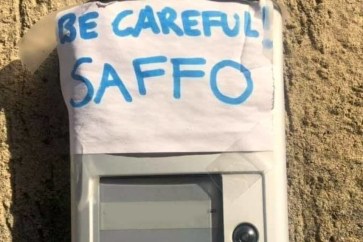
Italy: Be Careful, Sappho – warning attached to lesbian’s home intercom

Be Careful Sappho

The inscription “Be careful Sappho” was attached above her intercom. When the 28-year-old lesbian noticed the note with the text, she photographed it and reported it to the Carabinieri. More than a threat, the personal trainer sincerely hopes it’s a bad joke.

“I thought of a bad joke, at least I hope so because I have no reason to feel threatened by anyone, I never bothered anyone.”

These are the words of the lesbian, who came out when she was 15 years old. In Briona, in the province of Novara, everyone knows her sexual orientation, just as they know she has a permanent companion with whom she will live as soon as they finish work in their home.

Whether it is a joke or a homophobic threat, it is undoubtedly a fact to be reckoned with.

“I have no idea what I should be careful about, so anyone who has written it is obviously mistaken. In Briona it is certainly not a secret. As people say, I did my coming out at 15 and now I’m 28 – I never hid anything.

Valentina explains that she also considered who might have written that note, going from acquaintances to work colleagues, but she didn’t find anyone so crazy as to think of doing such a thing. She decided to publish the photo to get help from friends and neighbours, who could perhaps recognise the spelling.
That the note is aimed at the lesbian and that it is homophobia, is not just a hypothesis.  The Note was attached above her intercom.
(Translated)

La scritta “Be careful Saffo” (Stai attenta Saffo) è stata attaccata sopra il suo citofono. La ragazza lesbica 28enne ha notato il biglietto con la scritta, l’ha fotografato e ha denunciato il fatto ai Carabinieri. Ma più che una minaccia, la personal trainer spera vivamente che sia uno scherzo di cattivo gusto.

“Ho pensato a uno scherzo di cattivo gusto, almeno spero sia così perché non ho motivo di sentirmi minacciata da nessuno, non ho mai infastidito nessuno.”

Queste le parole della ragazza lesbica, che ha fatto coming out quando aveva 15 anni. A Briona, in provincia di Novara, tutti sanno il suo orientamento sessuale, così come sanno che ha una compagna fissa, con la quale andrà a vivere insieme, non appena finiranno i lavori nella loro abitazione.

Che si tratti di uno scherzo o di una minaccia a sfondo omofobo, è senza dubbio un fatto da non sottovalutare.

Non ho idea per cosa io debba stare attenta, perciò, chiunque sia stato a scriverlo si sta evidentemente sbagliando. A Briona non è certo un segreto. Come si usa dire ho fatto il mio coming out a 15 anni e ora ne ho 28, non ho mai nascosto niente.

Valentina spiega di aver anche pensato chi potrebbe aver scritto quel biglietto, passando dai conoscenti ai colleghi di lavoro, ma non ha trovato nessuno tanto folle da pensare a una cosa simile. Ha deciso di pubblicare la foto per farsi aiutare dagli amici e dai vicini di casa, i quali magari potrebbero riconoscere la grafia.

Che il biglietto sia rivolto alla ragazza lesbica e che si tratti di omofobia, non è solo un’ipotesi. Il biglietto si trovava attaccato sopra il suo citofono.
(Original)

Continue reading at: https://www.gay.it/attualita/news/minacce-ragazza-lesbica-novarese-be-careful-saffohttps://www.gay.it/attualita/news/minacce-ragazza-lesbica-novarese-be-careful-saffo (Source)
Italy: Elisa Pomarelli killed twice: as a woman and as a lesbian

Elisa Pomarelli

September 2019
A few hours after Massimo Sebastiani’s confession, 45 years old from the Piacenza hinterland, the grim murder of Elisa Pomarelli, 28, takes on painfully clear outlines.

The umpteenth femicide, due to the entirely patriarchal inability of the Italian male to accept a refusal, is further aggravated, appearing as violence linked to the victim’s sexual orientation.

According to the Corriere Della Sera in fact, Dayana, a friend of poor Elisa, had warned Sebastiani: “Elisa is only interested in women”.

Elisa Pomarelli killed twice: as a woman and as a homosexual.
(Translated)

A poche ore dalla confessione di Massimo Sebastiani, 45 enne dell’entroterra Piacentino, il truce assassinio di Elisa Pomarelli, 28 anni, assume contorni dolorosamente chiari.

L’ennesimo femminicidio, dovuto all’incapacitá tutta patriarcale del maschio italiano di accettare un rifiuto, si aggrava ulteriormente, configurandosi come una violenza legata anche all’orientamento sessuale della vittima.

Secondo il Corriere Della Sera infatti, Dayana, amica della povera Elisa, aveva avvertito il Sebastiani: “Elisa prova interesse solo per le donne“.

Elisa Pomarelli uccisa due volte: in quanto donna ed in quanto omosessuale.
(Original)

Continue reading at: https://www.gay.it/attualita/news/elisa-pomarelli-uccisa-perche-omosessuale (Source)

Update: Italy: man guilty of 2019 murder of lesbian Elisa Pomarelli

Chile: lesbians harassed and expelled from sanctuary

Chile

The Homosexual Integration and Liberation Movement (Movilh) denounced “continuous episodes of discrimination” against a young lesbian couple at the Schoenstatt Shrine, located in Puerto Montt – a free access space, where gay or lesbian entry is not allowed, according to the caretaker of the place.

The couple had been harassed for months by the caretaker, who every time he saw them, expelled them from the compound. The last incident occurred on September 9, but this time the couple chose to record the subject, who acknowledges that homosexuals are not admitted to the Sanctuary, in addition to accusing women of ugly attitudes, threatening them with “more serious problems” and to denounce them to the police.

“This is a case of lesbophobic violence, a serious episode where two women are humiliated, causing them great emotional damage. These abuses are unacceptable and illegal in light of the Zamudio Law. The women reported the case to police, who were emphatic in pointing out that they cannot be prevented from entering the Shrine because they are lesbians, ”said Movilh-Los Lagos president José Arcos.
(Translated)

El Movimiento de Integración y Liberación Homosexual (Movilh) denunció “continuos episodios de discriminación” contra una joven pareja lésbica en el Santuario Schoenstatt, ubicado en Puerto Montt. Un espacio de acceso liberado, donde no se permite el ingreso de gays o lesbianas, según señaló el cuidador del lugar.

La pareja venía siendo hostigada desde hace meses por el cuidador, quien cada vez que la veía, las expulsaba del recinto. El último incidente ocurrió el pasado 9 de septiembre, pero esta vez la pareja optó por grabar al sujeto, quien reconoce que los homosexuales no son admitidos en el Santuario, además de acusar a las mujeres de actitudes feas, amenazarlas con “problemas más graves” y de denunciarlas ante Carabineros.

“Esta es un caso de violencia lesbofóbica, un episodio grave donde se humilla a dos mujeres, causándoles un gran daño emocional. Estos abusos son inaceptables y son ilegales a la luz de la Ley Zamudio. Las mujeres reportaron el caso ante Carabineros, quienes fueron enfáticos en señalar que ellas no pueden ser impedidas de ingresar al Santuario por ser lesbianas”, dijo el presidente de Movilh-Los Lagos, José Arcos.
(Original)

Continue reading at: https://www.lacuarta.com/cronica/noticia/lesbofobia-pareja-expulso-recinto/406973/ (Source)

Update: Brazilian court considering trial for police accused of killing Luana Barbosa in 2016

Luana Barbosa 2

The court heard this week from the three military police officers accused of beating to death Luana Barbosa dos Reis , 34, a non-feminine black, lesbian and marginalised woman, in front of her her 14-year-old son, and will decide in the next few days whether to take or not the defendants will go to trial.

According to witnesses and Luana herself, in a video recorded before her death, she was beaten during a police raid on the night of April 8, 2016, in the Jardim Paiva II neighbourhood, one of the outskirts of Ribeirão Preto, 312 km from the city of São Paulo, nicknamed “Brazilian California” or “national agribusiness capital”. Five days later, Luana died in the hospital. The cause of death was a cerebral ischaemia caused by traumatic brain injury.

According to witnesses, at the time of approach Luana Barbosa demanded the presence of a female police officer to conduct the search. To show that she was a woman, Luana lifted her shirt. At that moment she was punched and kicked that knocked her to the ground. This is the same version told by Luana Barbosa’s family three years ago.
(Translated)

A Justiça ouviu nesta semana os três policiais militares acusados de espancar até a morte Luana Barbosa dos Reis, 34 anos, mulher não feminilizada, negra, lésbica e periférica, diante do filho dela de 14 anos, e deve decidir nos próximos dias se leva ou não os réus a júri popular.

Segundo relatos de testemunhas e da própria Luana, num vídeo gravado antes de sua morte, a jovem foi espancada durante uma abordagem policial na noite de 8 de abril de 2016, no bairro Jardim Paiva II, uma das periferias de Ribeirão Preto, cidade a 312 km da capital paulista, apelidada de “Califórnia brasileira” ou “capital nacional do agronegócio”. Cinco dias depois, Luana morreu no hospital. A causa da morte foi uma isquemia cerebral causada por traumatismo crânio encefálico.

Segundo as testemunhas, no momento da abordagem Luana Barbosa exigiu a presença de uma policial mulher para realizar a revista. Para mostrar que era mulher, Luana levantou a camiseta. Nesse momento ela levou um soco e um chute que a derrubaram no chão. É a mesma versão contada pela família de Luana Barbosa há três anos.
(original)

Continue reading at: https://ponte.org/pms-acusados-de-matar-luana-barbosa-culpam-vitima-e-poder-dos-direitos-humanos/ (Source)

Original article: Brazil: state murder of lesbian remains unpunished 3 years later

Why are there so few lesbian bars in Paris?

img_9390

By Elsa Pereira

In the capital, where there are dozens and dozens of bars and gay clubs, very few places dedicated to homosexual women keep their heads above the water. Why is the lesbian nightlife so fragile?

It’s a deficiency that is not exclusively Parisian. Even in a city like New York, famous for its vibrant gay life, the number of bars for queer women is shrinking. Last March, the Bum Bum bar closed after twenty years of loyal service, leaving NYC with only three lesbian bars: Henrietta Hudson, Cubbyhole and Ginger’s Bar. For Ken Lustbader of the NYC LGBT Historic Sites Project, the loss is deadly. “Although their importance is often underestimated or ignored by heterosexual society, bars and other institutions play a central role in LGBT culture as centres of acceptance, community and LGBT activism,” he said. The closure of the places dedicated to lesbians thus participates in a systematic invisibilisation of women – and especially lesbians – in the public space.
(Translated)


Dans la capitale, alors que l’on compte des dizaines et des dizaines de bars et de clubs gays, très peu de lieux dédiés aux femmes homos et bies gardent la tête hors de l’eau. Pourquoi la nuit lesbienne est-elle si fragile ?

Une carence qui n’est pas exclusivement parisienne. Même dans une ville comme New York, réputée pour sa vie gay animée, le nombre des bars destinés aux femmes queer se réduit comme peau de chagrin. En mars dernier, le Bum Bum bar fermait ses portes après vingt ans de loyaux services, laissant NYC avec seulement trois bars lesbiens : Henrietta Hudson, Cubbyhole et Ginger’s Bar. Pour Ken Lustbader du NYC LGBT Historic Sites Project, la perte est funeste. “Bien que leur importance soit souvent sous-estimée ou ignorée par la société hétérosexuelle, les bars et autres établissements jouent un rôle central dans la culture LGBT en tant que centres d’acceptation, de communauté et d’activisme LGBT”, décrypte-t-il. La fermeture des lieux dédiés aux lesbiennes participe ainsi d’une systématique invisibilisation des femmes – et a fortiori des lesbiennes – dans l’espace public.
(Original)

Continue reading at: https://www.lesinrocks.com/2019/08/09/actualite/societe/pourquoi-y-a-t-il-si-peu-de-bars-lesbiens-a-paris/ (Source)

Bolivia: Lesbians discriminated against on bus

LaPazBus Apology

A lesbian couple reported through their Twitter account that a PumaKatari bus official discriminated against them, interpreting that the act of boarding the bus holding hands implied “a lack of respect for families.”

Following the reaction of many users and more information from the complaint, the La Paz Bus company expressed its apologies using its account on the same network. “PUBLIC APOLOGY
Through this means we are aware of your case, and we already have inbox contact with you, in the first instance it is appropriate to ask for our sincere PUBLIC APOLOGIES. Our commitment is to provide the best transportation service in Bolivia,” La Paz Bus wrote.

The complainant considered that she and her partner had a difficult time boarding the bus, which even brought her girlfriend “to the brink of tears,” and wondered if PumaKatari officials do the same with heterosexual couples. “I would like to know how many heterosexual couples do the Puma make cry for being together? How many are publicly humiliated for looking at each other with tenderness?”

“I want to be told with numbers. How many times have you approached a heterosexual couple to tell them to have RESPECT FOR FAMILIES? ”

(Translated)

Una pareja de lesbianas denunció a través de su cuenta en Twitter que un funcionario del bus PumaKatari las discriminó entendiendo que, al ingresar tomadas de la mano al bus, el acto implicaba “una falta de respeto a las familias”.

Luego de la reacción de muchos usuarios y más elementos de la denuncia, desde su cuenta en la misma red la empresa La Paz Bus expresó su disculpas. “DISCULPAS PÚBLICAS A través de este medio tomamos conocimiento de su caso, y ya tomamos contacto inbox con Usted, en primera instancia corresponde pedirle nuestras sinceras DISCULPAS PÚBLICAS, nuestro compromiso es brindar el mejor servicio de transporte en Bolivia”, escribió La Paz Bus.

La denunciante consideró que ella y su pareja pasaron un momento difícil al abordar el bus, en el que incluso su novia “bajó al borde de las lágrimas”, y se preguntó si los funcionarios del PumaKatari hacen lo mismo con parejas heterosexuales. “Quisiera saber a cuántas parejas heterosexuales hacen llorar en el Puma por estar juntas? A cuántas les humillan públicamente por mirarse con ternura?”

“Quiero que me digan.con números. Cuantas veces se han acercado a una pareja heterosexual a decirles que tengan RESPETO POR LAS FAMILIAS?”
(Original)

Continue reading at: http://www.la-razon.com/sociedad/bolivia-discriminacion-pumakatari-denuncia-lesbianas_0_3194680530.html (Source)

Brazil: young DJ murdered for being lesbian

DJ Ana Karolina de Souza Santos

DJ Ana Karolina de Souza Santos, 19, was brutally murdered, and according to the victim’s friend, anonymous for fear of reprisals, the young woman may have been killed because of homophobia (prejudice and criminal attitudes against homosexuals).

“One managed to escape and the other two said they did not realize that Karol was dead because they both pretended to be dead. It was a strategy to survive. The girls say that at no time was there harassment, but they (kidnappers) were taking pictures and asking where they were from, who they were. To me, Karol’s death had to do with her social position. Karol looked the most masculine. She had no wake. She was totally disfigured”, said the interviewee.

The DJ’s friend added that she will not accept the criminalisation of the dead victim, which she says “serves to remove the state’s responsibility for the crime”.
(Translated)


A DJ Ana Karolina de Souza Santos, 19, assassinada brutalmente, e segundo uma amiga da vítima, que terá sua identidade preservada por temer represálias, a jovem pode ter sido morta por homofobia (preconceito e atitudes criminatórias contra homossexuais).

“Uma conseguiu fugir e as outras duas disseram que não perceberam logo que a Karol estava morta, porque elas duas se fingiram de mortas. Foi uma estratégia para sobreviver. As meninas falam que em nenhum momento teve assédio, mas eles (raptores) ficaram tirando fotos e perguntando de onde elas eram, quem elas eram. Para mim, a morte da Karol teve relação ao aspecto social que ela estava envolvida. A Karol era quem tinha aparência mais masculinizada. Nem velório ela teve. Ficou toda desfigurada”, relatou a entrevistada.

A amiga da DJ acrescentou que não irá aceitar que criminalizem a vítima morta, algo que, segundo ela, “serve para tirar a responsabilidade do Estado pelo crime”.

(Original)

Continue reading at: https://revista.painelpolitico.com/dj-e-raptada-com-outras-tres-amigas-em-fortaleza-ela-foi-morta-a-golpes-de-barra-de-ferro/ (Source)

USA: teacher sues for being fired because she’s lesbian

Clare Pioneers

Clare Public Schools is being sued in federal court by a former adult education teacher who says she was fired because she’s a lesbian.

Julie Mayra, hired by the district sometime around August 2012, said she had a great working relationship with her colleagues — including being promoted to a full-time position — until the district hired a new superintendent and principal for the 2016-07 academic year. Then, according to her complaint filed in federal court, things slid rapidly.

In particular, Georgette Kelley, the new principal, began to target Mayra, according to the court record. Kelley is a devout Pentecostal Christian who is vocal about her opposition to homosexuals.

Kelley is no longer listed on the Clare Public Schools website as employed there.

Continue reading at: https://www.themorningsun.com/news/copscourts/clare-schools-accused-of-firing-teacher-because-she-s-a/article_fece4162-aa4e-11e9-a94e-ab5ae527ce88.html?utm_medium=social&utm_source=facebook&utm_campaign=user-share

Mexico: possible lesbophobia behind murder of multiple Ciudad Juárez women

Ellas tienen nombre They have a name

Ellas Tienen Nombre map of femicides

Ivonne Ramírez explained that she discovered the connections by seeking information about the victims to upload their cases to the monitoring and mapping project with which she seeks to show that the problem of femicide is still present and occurs in all sectors of Ciudad Juárez.

As part of her daily monitoring, the activist found at least eight lesbian or bisexual women who have been murdered between 2018 and 2019, including three from the first group.

“We do not know if these (cases) refer to hate crimes for double misogyny, for being women and for being lesbians, among other causes,” said the activist.

According to data from the State Attorney General’s Office (FGE) in the North Zone, the number of women killed has been increasing every year since 2015, when 54 people were killed, while in 2016 there were 57, in 2017 they added 96, in 2018 they They registered 105 and so far this year there have already been 91 women killed.
(Translated)
Ivonne Ramírez explicó que descubrió las conexiones al buscar información sobre las víctimas para subir sus casos al proyecto de monitoreo y mapeo con el que busca visibilizar que la problemática del feminicidio sigue presente y ocurre en todos los sectores de Ciudad Juárez.

Como parte de su monitoreo diario, la activista encontró al menos ocho mujeres lesbianas o bisexuales que han sido asesinadas entre 2018 y 2019, entre ellas tres del primer grupo.

“No sabemos si estos (casos) refieren crímenes de odio por doble misoginia, por ser mujeres y por ser lesbianas, entre otras causantes”, señaló al respecto la activista.

Según datos de la Fiscalía General del Estado (FGE) en la Zona Norte, el número de mujeres asesinada va en ascenso cada año desde 2015, cuando fueron victimadas 54 personas, mientras que en 2016 fueron 57, en 2017 sumaron 96, en 2018 se registraron 105 y en lo que va del año ya han sido 91 mujeres asesinadas.
(Original)

La cartografía digital de feminicidios – The digital mapping of femicides

Ellas Tienen Nombre – They Have a Name

Continue reading at: https://diario.mx/juarez/descubren-relacion-entre-mujeres-asesinadas-desde-2017-20190804-1547198.html (Source)

Mexico: lesbians forced to live as sisters for 30 years seek legal protection as they age

LESBIANAS-MAYORES

Sara and Carmen are false names. They use them because they don’t want to make their identity known, but Sara and Carmen are a couple of Mexican lesbians who have been together for over 30 years. They live in Tabasco which still has not passed equal marriage legislation.

Mexico is not a good place for diversity and so they have been posing as sisters for neighbours and some friends for 30 years. … One of them has diabetes, in addition to an amputated leg and other ailments that mean her life may be nearing its end. That would mean that one of them would be a widow without any pension and without being able to control her possessions.

“On this occasion they decided to make the trip to another state instead of processing an amparo that takes 12 to 18 months in Mexico City to finalize equal marriage, because one of the members of the couple is very sick , and there is no time to wait for a judge’s decision. With the money raised (from a neighbourhood activity) the couple will be supported with their transfer, the witnesses and the expenses of the procedures, because what is sought with the legalization of the union is to guarantee the rights of the pension and inheritance of assets that they have achieved in 30 years of living together, ”said the president of the Community Center for Inclusion AC Armando Cornelio Dionisio.
(Translated)


Sara y Carmen son nombres falsos. Los utilizan porque no quieren dar a conocer su identidad, pero Sara y Carmen son una pareja de lesbianas mexicanas que llevan juntas más de 30 años. Viven en Tabasco y allí aún continúa sin aprobarse el matrimonio igualitario.

México no es un lugar agradable con la diversidad y, por eso, llevan estos 30 años haciéndose pasar por hermanas para vecinos y algunos amigos. … Una de ellas tiene diabetes, además de una pierna amputada y otras dolencias que hacen que su vida pueda estar próxima a su fin. Eso supondría que una de ellas quedaría viuda sin pensión alguna y sin poder tener dominio sobre sus posesiones.

“En esta ocasión decidieron hacer el viaje a otro estado en lugar de tramitar un amparo que se lleva de 12 a 18 meses en la Ciudad de México para concretar el matrimonio igualitario, debido a que una de las integrantes de la pareja, está muy enferma, y ya no hay tiempo para esperar el resolutivo de un juez. Con el dinero recaudado (de una actividad vecinal) se apoyará a la pareja con su traslado, el de los testigos y los gastos de los trámites, pues lo que se busca con la legalización de la unión es garantizar los derechos de la pensión y de herencia de bienes que han logrado en 30 años de vivir juntas”, ha declarado el presidente del Centro Comunitario para la Inclusión A.C. Armando Cornelio Dionisio.
(Original)


Continue reading at: http://www.mirales.es/una-pareja-de-lesbianas-se-hace-pasar-por-hermanas-durante-30-anos/ (Source)

Colombia: court orders liquor store to apologise to lesbian couple

Lesbianas-barranquilla-el-heraldo

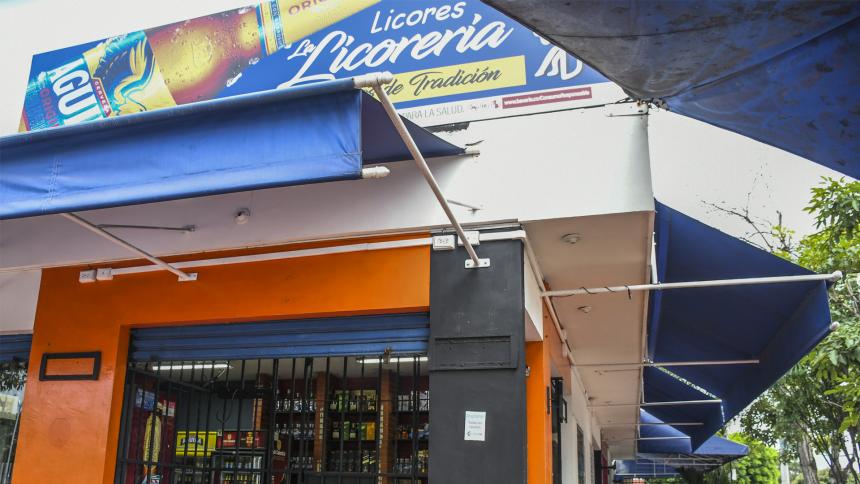
After reviewing the case, the Constitutional Court of Barranquilla ordered the homophobic owner of a liquor store to apologize to a lesbian couple. The case reached the Court after a legal battle initiated by one of the lesbians discriminated against for homophobia in a liquor store in Barranquilla, Colombia . According to the complainants, the events occurred in July last year. The lesbian couple went to La Licorería in Barranquilla. They conversed holding hands when the owner demanded that they be released, telling them that: “The establishment is not an environment for same-sex couples […] Such shows are not allowed .”

The couple then called the waiter to complain about the attitude of the owner of the establishment. However, they did not receive help from him either, who replied that he ” did not like those behaviours. ”

It was then that the lesbian couple decided to pay their bill, and wait for an answer from the owner, but they did not get any. The homophobic man only replied that these were the establishment’s policies and that they had previously had “image problems” due to the presence of same-sex couples.
(Translated)

Tras revisar el caso, la Corte Constitucional de Barranquilla ordenó al propietario homofóbico de una licorería disculparse con una pareja de lesbianas.
El caso llegó a la Corte después de una batalla jurídica iniciada por una de las lesbianas discriminadas por homofobia en una licorería en Barranquilla, Colombia. De acuerdo con las denunciantes, los hechos ocurrieron en julio del año pasado. La pareja de lesbianas acudió a La Licorería en Barranquilla. Ellas conversaban tomadas de las manos cuando el propietario les exigió que se soltaran, diciéndoles que: «El establecimiento no es de ambiente para las parejas del mismo sexo […] Ese tipo de espectáculos no están permitidos».

La pareja entonces llamó al mesero para quejarse de la actitud del propietario del establecimiento. Sin embargo, no recibieron ayuda por parte de él tampoco, quien les respondió que a él «no le gustaban esos comportamientos».

Fue entonces que la pareja de lesbianas decidió pagar su cuenta, y esperar una respuesta por parte del propietario, pero no obtuvieron ninguna. El señor homofóbico solo se limitó a contestar que esas eran las políticas del establecimiento y que anteriormente ya habían tenido «problemas de imagen» por la presencia de parejas del mismo sexo.
(Original)

Continue reading at: https://www.soyhomosensual.com/lgbt/corte-obligara-a-homofobico-disculparse-con-lesbianas-en-barranquilla/ (Source)

Update: French father sentenced over death threats against lesbian daughter

img_9390

“Before she used to be with boys. I can not do it, I do not accept having a child like that” , he testifies in an immediate appearance hearing before the Nîmes Criminal Court, who judges him to be “threatening of repeated death, committed because of the sexual orientation of the victim”! Acts committed in October 2018, when he learns that his daughter is dating another young woman and until July 14 … That day, he went armed to his daughter’s workplace with a chopper and a butcher knife to get “an explanation”. The victim hid and avoided her father who persecuted her for several months.
(Translated)

“Avant elle fréquentait des garçons. Je n’y arrive pas, je n’accepte pas d’avoir une enfant comme ça”, témoigne-t-il en audience de comparution immédiate devant le tribunal correctionnel de Nîmes qui le juge pour “menace de mort réitérée, commise en raison de l’orientation sexuelle de la victime” ! Des faits commis d’octobre 2018, moment où il apprend que sa fille fréquente une autre jeune femme et jusqu’au 14 juillet dernier… Ce jour-là, il se rend armé d’un hachoir et d’un couteau de boucher pour avoir “une explication” sur le lieu de travail de sa fille. La victime se cache et évite son père qui la persécute depuis plusieurs mois.
(Original)

Continue reading at: https://www.objectifgard.com/2019/08/01/gard-il-menace-de-mort-sa-fille-homosexuelle-de-lamour-a-la-haine-au-tribunal/ (Source)

Original article: France: father charged over death threats against lesbian daughter

The Netherlands: lesbian couple attacked during pride

Ana Camboim Katya Sazanova

Photo: Ana Camboim

A lesbian couple was beaten  by two men on a scooter on Saturday morning in the center [of Amsterdam]. The women reported the incident to the police, but they reported that the chance of the perpetrators being caught is small.

“Oh, you are so hot, can we join you?” They walk around 5 a.m. in the Zandstraat, a narrow alley, near the Zuiderkerk after an evening out.

The couple in love walk hand in hand, which they often do in Amsterdam. Camboim gives a reply. “Get on with it, just drive on.”

Camboim gets a thump in her face and falls to the floor. Her girlfriend is also beaten in the face. The women both have bruises, a broken lip and a swollen nose.

For the couple it is a traumatic event. “It was so frightening. We only cried at home. People sometimes look up when we hold hands, but people have never been physical”, says Sazanova on the phone.

“My girlfriend is from Brazil and I from Kazakhstan. We might expect something like this in our own country but not in Amsterdam. And then it also happens during the Pride.” She states that they have been ‘lucky’. “This could have turned out so much worse.”
(Translated)

Een lesbisch koppel is zaterdagochtend in het centrum door twee mannen op een scooter in elkaar geslagen. De vrouwen hebben aangifte gedaan bij de politie, maar die meldde dat de kans dat de daders worden gepakt klein is.

“Oh, jullie zijn zo hot, mogen we met jullie meedoen?” Het is een vraag van twee mannen op een scooter aan Katya Sazanova (29) en haar vriendin Ana Camboim (26), beiden werkende expats in Amsterdam. Ze lopen rond 5.00 uur ’s ochtends in de Zandstraat, een smalle steeg, vlakbij de Zuiderkerk na een avond uit.

Het verliefde koppel loopt hand in hand, wat ze wel vaker doen in Amsterdam. Camboim geeft repliek. “Rot op, rijd gewoon door.” Het is voor de mannen reden om de vrouwen in elkaar te slaan.

Camboim krijgt een dreun in haar gezicht en valt op de grond. Ook haar vriendin wordt in haar gezicht geslagen. De vrouwen lopen beide blauwe plekken, een kapotte lip en een gezwollen neus op.

Voor het koppel is het een traumatische gebeurtenis. “Het was zo beangstigend. We hebben thuis alleen maar gehuild. Mensen kijken weleens op als we elkaars hand vasthouden, maar nog nooit zijn mensen fysiek geweest,” zegt Sazanova aan de telefoon.

“Mijn vriendin komt uit Brazilië en ik uit Kazachstan. We zouden misschien zoiets in ons eigen land verwachten maar niet in Amsterdam. En dan gebeurt het ook nog tijdens de Pride.” Ze stelt dat ze ‘geluk’ hebben gehad. “Dit had zoveel erger kunnen uitpakken.”
(Original)

Continue reading at: https://www.parool.nl/amsterdam/lesbisch-koppel-tijdens-pride-in-elkaar-geslagen-we-hebben-geluk-gehad~b742928c/ (Source)