Author Archives: Liz

ILD: The world’s oldest black lesbian, And you have probably never heard of her

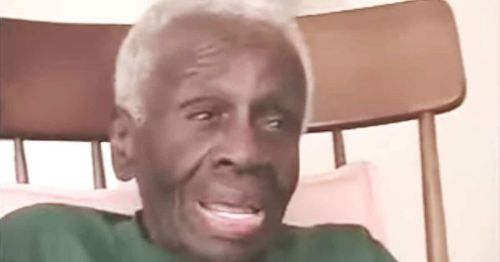
Ruth Ellis

Ruth Ellis was born in 1899 in Springfield, Illinois. Her father, Charles Ellis, was the first Black mail carrier in the entire state of Illinois. Her mother died when she was a tween, leaving her with her father and brothers. At the age of 16, after realizing that she had feelings for her white gym teacher, Ellis read Radclyffe Hall’s book The Well of Loneliness. After reading the book, she looked up the term “homosexual” in an psychology book. And that’s how she realized she was a lesbian. Being out isn’t easy at any point in history, but in 1915? It’s not like she had much for frame of reference. Despite that, however, Ellis always lived her life as an out lesbian.

While still living in Springfield, Ruth Ellis met Ceciline “Babe” Franklin, who was 10 years younger than her. There wasn’t much opportunity for a Black lesbian woman in Springfield back in the 1930s, so Ellis’s brother told her about Detroit. She went first, finding a job caring for a young boy for $7 a week. Franklin joined her in Detroit about a year later. Ellis, who had previously worked for a Black-owned print shop back in Springfield, decided to open her own print shop in Detroit.

“I was working for a printer, and I said to myself if I can do this for him, how come I can’t do it for myself?” she said.

With the formation of Ellis & Franklin Printing Co, which they ran out of their home, Ruth Ellis became the first woman in Michigan to own her own printing company. And that’s not the only thing that ran out of the Ellis/Franklin home.

Back in the 1940s, there weren’t many places for LGBTQ people to gather. In a pre-Stonewall world, being queer was life-threatening, so many people had to meet in private. And there was even less space in the community for Black queer people, so Ellis and Franklin opened up their home as a spot for them as a safe space. Their home was known as “The Giving Spot,” and was open for any members of the LGBTQ community, especially youth and Black folks.

“In those days everything was hush hush,” she explained. “If you just knew somebody that had a home would accept you that is where you went. So after we bought our home, we opened it up to the gay people. That is where everyone wanted to come on the weekend.”

Throughout the ’70s and ’80s, Ellis made a steady stream of appearances and did lots of interviews. Everyone knows that lesbians have always existed, but to see a woman who had been living as an out lesbian since before World War 1? That’s unbelievable. Especially because that woman was Black. And not only was she an out lesbian, she was a business owner and mentor to the community. She became a permanent fixture at the Michigan Womyn’s Music Festival as a result.

Ellis’s status as the oldest living out Black lesbian was immortalized in a documentary about her life, Living With Pride: Ruth Ellis @ 100. Of course, this only brought her more attention and notoriety. On her 100th birthday in 1999, Ruth Ellis was the leader of San Francisco’s Dyke March, with the entire crowd singing “Happy Birthday” to her. The same year, she lent her name and her legacy to the Ruth Ellis Center in Detroit.

Continue reading at: https://www.yahoo.com/lifestyle/woman-world-oldest-black-lesbian-050012963.html (Source)

ILD: Lesbians under the Third Reich

Few historians have been interested in the existence of lesbians under the Third Reich. Raids, rapes, prostitution therapy, being forced into hiding – these are some of the atrocities they suffered under the Nazi regime. … That we know hardly anything about them is surprising, especially when we know that the National Socialist ideology considered homosexuality to be a vice and that any woman who did not respect her role as wife and mother in perpetuating racial purity was repressed. Today, we offer you a dossier and collective portrait of the lives of these lesbians, all too often overlooked.

MALE HOMOSEXUALITY VERSUS FEMALE HOMOSEXUALITY
What do we really know about lesbian life under the Nazi regime? Virtually nothing. Their existence has rarely interested researchers which is astonishing, especially when we know that the Nazi ideology condemned homosexuality and decreed that women should respect their role as married women but also as mothers. Moreover, while homosexual relations between men have always been subject to criminal prosecution in much of Germany, female homosexuality has not been condemned. But for what reasons exactly? This phenomenon can be explained by the fact that women had to occupy a very special place at the time in German society. Furthermore, unlike male homosexuals, lesbians were not a political or social threat, even after 1933 and under the Nazi regime.

Lesbians, much more than homosexual men, also strongly participated in the homosexual emancipation movement that began in the 1890s in Germany. Nevertheless, women were not allowed to join political organizations until 1908 and frequented bars more discreetly. After World War I, sexual morality opened up more. Subsequently, the Weimar Republic offered other social and political freedoms for the majority of homosexuals, women and men alike. Big cities like Berlin then became real centers of German homosexual life: clubs such as the Tanzpalaste Zauberflöte or the Dorian Gray , for example, allowed urban lesbians to live as freely as rural lesbians. In addition, magazines such as Frauenliebe (Love for women) or Die Freundin (L’Amie in French) were also created thanks to a softening of censorship.
(Translated)

Peu sont les historiens à s’être intéressés à l’existence des lesbiennes sous le Troisième Reich. Rafles, viols, thérapies par la prostitution, forcées de se cacher… voici certaines des atrocités qu’elles ont subies sous le régime nazi. Néanmoins, nous ne savons quasiment rien à leur sujet. Constat surprenant, notamment lorsque l’on sait que l’idéologie nationale-socialiste considérait l’homosexualité comme un vice et que toute femme ne respectant pas son rôle d’épouse et de mère afin de perpétuer la race pure était réprimée. Aujourd’hui, nous vous proposons un dossier et portrait collectif de la vie de ces lesbiennes bien trop souvent passée sous silence.

L’HOMOSEXUALITÉ MASCULINE FACE À L’HOMOSEXUALITÉ FÉMININE
Que savons-nous réellement de la vie des lesbiennes sous le régime nazi ? Pratiquement rien. Leur existence n’a que rarement intéressé les chercheurs. Étonnant, notamment lorsque nous savons que l’idéologie nazie condamnait l’homosexualité et que les femmes se devaient de respecter leur rôle de femme mariée mais aussi de mère. Par ailleurs, alors que les relations homosexuelles entre hommes ont toujours été passibles de poursuites pénales dans une grande partie de l’Allemagne, l’homosexualité féminine n’était quant à elle pas condamnée. Mais pour quelles raisons exactement ? Ce phénomène peut s’expliquer par le fait que les femmes se devaient d’occuper une place bien particulière à l’époque au sein de la société allemande. De plus, contrairement aux homosexuels masculins, les lesbiennes n’étaient pas une menace politique ou bien sociale, et ce, y compris après 1933 et sous le régime nazi.

Les lesbiennes, bien plus que les hommes homosexuels, ont également fortement participé au mouvement d’émancipation homosexuelle qui a vu le jour à partir des années 1890 en Allemagne. Néanmoins, les femmes n’avaient pas le droit d’intégrer d’organisations politiques jusqu’en 1908 et elles se retrouvaient de manière plus discrète dans des bars. Après la Première Guerre mondiale, la morale sexuelle s’est également ouverte davantage. Par la suite, la république de Weimar offrit d’autres libertés aussi sociales que politiques ainsi que pour la majeure partie des homosexuels, femmes et hommes confondus. De grandes villes comme Berlin sont alors devenues de véritables centres de la vie homosexuelle allemande : des clubs tels que le Tanzpalaste Zauberflöte ou encore le Dorian Gray ont par exemple permis aux lesbiennes urbaines de vivre aussi librement que les lesbiennes rurales. De plus, des revues comme Frauenliebe (Amour féminine en français) ou encore Die Freundin (L’Amie en français) ont également pu voir le jour grâce à un adoucissement de la censure.

Continue reading at: https://dailygeekshow.com/lesbiennes-troisieme-reich/

Related articles:

  • Ravensbrück, Germany: After years of dispute, the memorial orb for lesbian victims of the Nazis is coming
  • Pushback on commemorative orb at Ravensbruck, support needed by Nov. 15th
  • The lesbian Nazi victims who allegedly did not exist: Elli Smula and Margarete Rosenberg
  • ILD: Sheroes and the lesbian Stonewall

    By Karla Jay

    Armed with garbage bags, brooms and big mouths, we resisted the goons’ oppressive authority — our incredible moxie mirroring the rebellion at Stonewall. We had been beaten, risked serious injury and death for the privilege and joy of an all-women’s dance.

    No mainstream media outlet reported on this assault, not even the Village Voice, which had covered the Stonewall Rebellion. The only story about our defiance that night was written by me in Rat Subterranean News.

    The courage of the discarded, disrespected, and sometimes homeless street people who fought back at the Stonewall Inn must be honored. But a half century later, some acknowledgment and appreciation must be given to the GLF women who risked our lives to create an alternative to the Stonewalls and Kooky’s that had dominated our social lives.

    It seems so matter of fact today to want to dance with whoever you want to — and surely, we will party again when we defeat this pandemic. But we GLF lesbians risked prison and payback to dance together 50 years ago, proving that sisterhood is powerful.

    Continue reading at: https://www.losangelesblade.com/2020/05/15/sheroes-the-lesbian-stonewall/ (Source)

    ILD: Pia Beck the lesbian pianist who was a warrior for LGTBI rights under Franco

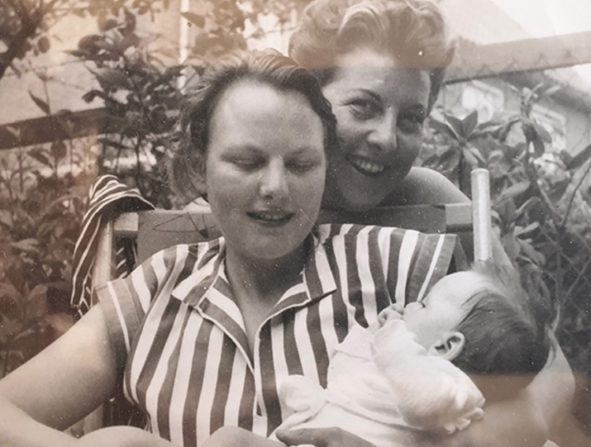
    Marga Samsonowski and Pia Beck

    Her son argues that the story of his two mothers is, above all, a love story: “Pia told me: ‘It took me just an instant to fall in love with your mother'”. A love story postponed by the passage of time and political laziness, but which brings together all the ingredients of the great passions that end up taking over books and screens. Pia Beck , considered by many to be the best jazz pianist of the 20th century, and Marga Samsonowski , lived their romance without hiding in the times of grayer Spain and turned their exclusive club, The Blue Note, into a haven of freedom and respect for diversity on the Costa del Sol.

    The story of the two women who, without intending to, became icons of the LGBT community, is today little more than a footnote in the Malaga town. Gino acknowledges that “it hurts and saddens him” to see how her legacy has not resulted in the recognition she deserved as a star who in each of the thousands of interviews she gave throughout her life prooted the charms of the Costa del Sol: “They are two icons and what they did is enormous. If this were the United States they would have already made a movie about them. ”

    Recent graffiti in homage to Pia is the only trace there exists of them. Jorge Pérez, president of the Pasaje Begoña Association , which tries to return part of the lost splendor to the location and recall its past as the cradle of LGTB rights, demands justice: “We do not want to die without her being recognised in Torremolinos: a street, a statue, something… ”. This neglect may be about to change, since Pérez confirms that a production company (WinWin) is preparing a story about the alley that gave colour to the darkest times. “And we have already asked that Pia Beck be one of the protagonists,” he reveals.

    The pianist shared the archetypal dream of any self-respecting jazz musician: opening her own club. The Blue Note opened its doors in 1965 and very soon became a meeting place for the most exclusive national and international clientele, attracted by the fame of its owner. “At that time I was a child and they only let me stay for a few hours. I remember, for example, that Arthur Rubinstein was one of the regulars and that he was encouraged, on many occasions, to give small improvised recitals ” , evokes Gino. Names like Fred Astaire, Nat King Cole, Shirley MacLaine or Ginger Rogers appear on his family photo album. “Pia is the artist, I am not,” argued Marga, who bet on being in the background and avoiding media appearances to protect her family.

    Although they never faced any episode of hatred from neighbours, until 1978 homosexuality was criminalised in Spain. Why did the Franco regime allow two lesbians to live as a couple with total normality and be the visible face of one of the most famous places in the country? “Pia was a great ambassador, she promoted the Costa del Sol a lot and attracted thousands of tourists. Furthermore, she was Dutch and he wanted to avoid a diplomatic confrontation, ”Juan Carlos Parrilla, vice president of the Association Pasaje Begoña, explains to this magazine that if they had been Spanish the situation would have been radically different.

    The normality with which their relationship was seen meant that, without being a gay bar, the gays and lesbians of the time found in The Blue Note a place where they could enjoy the night with total freedom. “They, without knowing it, were an icon for the lesbian women’s community at a time when women were invisible and repressed in a patriarchal society,” added Parrilla. Despite the fact that her son assures that his mothers were never aware of the importance that their common life had for the group and that they did not have labels, Pia starred in the seventies in a famous episode in defence of the rights of homosexuals. The pianist faced the famous ultra-conservative activist Anita Bryant and she promoted a concert to defray the cost of an advertisement on the pages of The New York Times against Bryant’s anti-homosexual speech.

    (Translated)

    Su hijo defiende que la de sus dos madres es, ante todo, una historia de amor: “Pia me decía: ‘Tardé solo un instante en enamorarme de tu madre’”. Una historia de amor postergada por el paso del tiempo y la desidia política, pero que reúne todos los ingredientes de las grandes pasiones que acaban copando libros y pantallas. Pia Beck, considerada por muchos como la mejor pianista de jazz del siglo XX, y Marga Samsonowski, vivieron su romance sin ocultarse en los tiempos de la España más gris y convirtieron su exclusivo club, The Blue Note, en un reducto de libertad y respeto a la diversidad en la Costa del Sol.

    La historia de las dos mujeres que, sin pretenderlo, se erigieron en iconos de la comunidad LGTB, es hoy poco más que una nota a pie de página en la localidad malagueña. Gino reconoce que “le duele y entristece” ver cómo su legado no ha obtenido el reconocimiento merecido por una estrella que en cada una de las miles de entrevistas que concedió a lo largo de su vida divulgó los encantos de la Costa del Sol: “Son dos iconos y es enorme lo que consiguieron. Si esto fuera Estados Unidos ya les habrían hecho una película”.

    Un reciente grafitti en homenaje a Pia es el único rastro que hay de ellas. Jorge Pérez, presidente de la Asociación Pasaje Begoña, que trata de devolver parte del esplendor perdido a la localización y rememorar su pasado como cuna de los derechos LGTB+, reclama justicia: “No nos queremos morir sin que ella tenga algún reconocimiento en Torremolinos: una calle, una estatua, algo…”. Una postergación que quizá esté a punto de cambiar, ya que Pérez confirma que una productora (WinWin) está preparando una ficción sobre el callejón que dotó de color los tiempos más oscuros. “Y ya hemos pedido que Pia Beck sea una de las protagonistas”, revela.

    La pianista compartía el sueño arquetípico de cualquier músico de jazz que se precie: inaugurar su propio club. The Blue Note abrió sus puertas en 1965 y muy pronto se convirtió en lugar de encuentro de la clientela nacional e internacional más exclusiva, atraída por la fama de su dueña. “Por aquel entonces yo era un niño y solo me dejaban estar durante unas horas. Recuerdo, por ejemplo, que Arthur Rubinstein era uno de los clientes habituales y que se animaba, en muchas ocasiones, a dar pequeños recitales improvisados”, evoca Gino. En su álbum fotográfico familiar aparecen nombres como los de Fred Astaire, Nat King Cole, Shirley MacLaine o Ginger Rogers. “Pia es la artista, yo no”, argumentaba Marga, que apostó por quedar en un segundo plano y evitar apariciones en los medios para proteger a su familia.

    Aunque jamás se enfrentaron a ningún episodio de odio por parte de los vecinos, hasta 1978 la homosexualidad fue tipificada como delito en España. ¿Por qué el régimen franquista permitió entonces que dos lesbianas hicieran vida en pareja con total normalidad y fueran la cara visible de uno de los locales más célebres del país? “Pia era una gran embajadora, hizo mucha promoción de la Costa del Sol y atrajo a miles de turistas. Además, era holandesa y se quería evitar un enfrentamiento de carácter diplomático”, explica a esta revista el vicepresidente de la Asociación Pasaje Begoña, Juan Carlos Parrilla, que considera que si hubieran sido españolas la situación habría sido radicalmente diferente.

    La normalidad con la que se veía su relación provocó que, sin ser un bar de ambiente, los gays y lesbianas de la época encontraran en The Blue Note un rincón en el que podían disfrutar de la noche con total libertad. “Ellas, sin saberlo, fueron un referente para el colectivo de mujeres lesbianas en una época en la que la mujer era un ser invisible y reprimido en una sociedad patriarcal”, añade Parrilla. A pesar de que su hijo asegura que sus madres jamás fueron conscientes de la importancia que su vida en común tuvo para el colectivo y que prescindían de etiquetas, Pia protagonizó en la década de los setenta un sonado episodio en defensa de los derechos de los homosexuales. La pianista se enfrentó a la célebre activista ultraconservadora Anita Bryant y promovió un concierto con el que sufragar los gastos de un anuncio en las páginas de The New York Times contra el discurso antihomosexual de Bryant.
    (Original)

    Continue reading at: https://smoda.elpais.com/moda/actualidad/historia-amor-lesbico-pia-beck-marga-blue-note-pasaje-begona-torremolinos/ (Source)

    Poland: journalist and her niece attacked for presumed lesbianism

    There was a brutal beating in Warsaw. The journalist was walking with her niece, holding the teenager’s arm when passing man attacked the woman because he considered that those he was attacking were a couple – we read in polsatnews.pl. The case was publicized on Facebook by “Polityka” journalist, Piotr Pytlakowski. …

    “About a week ago, a well-known journalist and reporter was beaten up. I found out about it recently. In the vicinity of Galeria Młociny she was walking with her probably 13-year-old niece. They were holding hands. A man started shouting: ***** ****** lesbians!”, wrote the journalist.

    The man attacked the woman on a street near a shopping mall. “He hit the journalist’s face with his fist. Hard – he broke her nose and caused bruises around her eyes” – Pytlakowski reported.
    (Translated)

    W Warszawie doszło do brutalnego pobicia. Dziennikarka spacerowała ze swoją siostrzenicą, trzymając nastolatkę pod rękę. Wtedy mężczyzna przechodzący obok zaatakował kobietę, bo uznał, że osoby, na które napada są parą – czytamy w polsatnews.pl. Sprawę nagłośnił na Facebooku dziennikarz “Polityki” Piotr Pytlakowski. …

    “Ok. tygodnia temu została pobita znana dziennikarka, reportażystka. Dowiedziałem się o tym niedawno. W okolicy Galerii Młociny szła ze swoją chyba 13-letnią siostrzenicą. Trzymały się pod ręce. Jakiś mężczyzna zaczął krzyczeć: Ku* je** lesby!” – napisał dziennikarz.

    Napastnik zaatakował kobietę na ulicy w okolicy galerii handlowej.

    “Uderzył pięścią w twarz dziennikarki. Silnie – złamał jej nos i spowodował sińce w okolicach oczu” – poinformował Pytlakowski.
    (Original)

    Continue reading at: https://fakty.interia.pl/mazowieckie/news-warszawa-ktos-pobil-dziennikarke-bo-myslal-ze-jest-lesbijka,nId,4725391 (Source)

    Italy: school fined for sacking lesbian teacher

    The Court of Appeal confirmed the sentence against the Sacred Heart of Trento for the dismissal of a lesbian teacher due to the “confirmed discriminationy on the basis of sexual orientation, individual and collective, and the conduct implemented by the Institute regarding the recruitment of teachers”.

    The sum is almost double what the private school had been required to pay to the women in the first instance: a total of €43,000, including both financial and moral harm. The Institute has now been called upon to pay the CGIL and the association Certi Rights, which had stood up in its defense, a sum of €10,000.

    In the first instance, the compensation had been assessed at €25,000 while the association and the union would have been entitled to €1,500 each.
    (Translated)

    La Corte di Appello conferma la sentenza contro il Sacro Cuore di Trento a causa della “accertata natura discriminatoria per orientamento sessuale, individuale e collettiva e la condotta attuata dall’Istituto in ordine alla selezione per l’assunzione degli insegnanti” per il licenziamento di una docente lesbica.

    Una somma quasi raddoppiata rispetto a quella che la scuola privata era stata destinata a pagare in primo grado alla donna: in tutto 43mila euro tra danno patrimoniale e morale. L’Istituto è stato chiamato ora a risarcire con una somma di 10mila euro anche la Cgil e l’associazione radicale Certi Diritti, che si erano schierate in sua difesa.

    In primo grado il risarcimento era stato quantificato in 25mila euro mentre all’associazione e al sindacato sarebbero spettati 1.500 euro a testa.
    (Original)

    Continue reading at: https://www.lavocedeltrentino.it/2020/09/02/licenziata-perche-lesbica-listituto-sacro-cuore-paga-piu-di-40mila-euro-alla-prof-discriminata/ (Source)

    Brazil: how gynaecology fails lesbians

    Lesbian and bisexual women go to the gynecologist less than heterosexual women. According to data from the report on Comprehensive Health Care for Lesbian and Bisexual Women, from the Ministry of Health, only 47% of this group have gynecological consultations annually, while the number rises to 76% when we talk about straight women, according to Febrasgo (Brazilian Federation of Associations of Gynecology and Obstetrics).

    To understand why this happens, Delas listened to 45 non-heterosexual women on the topic. Anonymous reports reveal negligence, unpreparedness and prejudice by health professionals when it comes to sex between women. 
    (Translated)

    Mulheres lésbicas e bissexuais vão menos ao ginecologista do que as heterossexuais. Segundo dados do relatório Atenção Integral à Saúde das Mulheres Lésbicas e Bissexuais, do Ministério da Saúde, apenas 47% deste grupo faz consultas ginecológicas anualmente, enquanto o número sobe para 76% quando falamos de mulheres hétero, segundo Febrasgo (Federação Brasileira das Associações de Ginecologia e Obstetrícia).

    Para entender porque isso ocorre o Delas ouviu 45 mulheres não-heterossexuais sobre o tema. Os relatos anônimos revelam negligências, despreparo e preconceito de profissionais da saúde quando o assunto é sexo entre mulheres.
    (Original)

    Continue reading at: https://delas.ig.com.br/saudedamulher/2020-09-01/lesbicas-e-bi-denunciam-negligencia-de-ginecologistas-nao-nos-examinam.html (Source)

    Argentina: attack on lesbian couple after long term harassment

    September 2020:

    In another anti-lesbian attack in the Buenos Aires neighborhood of Constitución, two lesbians were attacked on Monday night  after constant and long-standing hatrassment and threats. One of the assaulted lesbians lives on O’Brien Street and is a neighbor of the alleged aggressor.

    He has always insulted her for her sexuality and made fun of her when he saw her hugging or walking hand in hand with her girlfriend in the neighborhood. Last Monday, faced with one of the usual insults, the couple responded. The man then retrieved a baseball bat from his house, and together with his friend, they chased and beat the women in the middle of the street.

    The couple reached the corner of Santiago del Estero, trying to get help. A group of policemen who were traveling through the area heard the women’s screams and were able to arrest the 67-year-old man and an accomplice friend who was with him at the time of the savage beating. “He hit me because I am lesbian,” said the victim when she was helped by the police. The police immediately notified SAME, according to Infobae.
    (Translated)

    Dos lesbianas fueron agredidas el lunes por la noche en un nuevo ataque lesboodiante en el barrio porteño de Constitución. Si bien este hecho legó a los medios, lo cierto es que las agresiones y amenazas son constantes y de larga data. Una de las lesbianas agredidas vive sobre la calle O’ Brien al 1.200 y es vecina del agresor.

    Desde siempre, éste la insulta por su elección sexual y se burlara de ella cuando la veía abrazada o caminando de la mano de su novia por el barrio. El pasado lunes, ante una de las habituales agresiones, la pareja respondió. E hombre decidió entonces buscar un bate de beisbol de su casa, y junto a su amigo, las persiguieron y golpearon en plena calle.

    Al llegar a la esquina de Santiago del Estero para pedir ayuda, un grupo de policías que recorría la zona escuchó los gritos de la mujer y pudo detener al hombre de 67 años y a un amigo cómplice que se encontraba con él en el momento de la feroz golpiza. “El me pegó porque soy torta”, relató la víctima al ser auxiliada por los efectivos, quienes inmediatamente dieron aviso al SAME, según consignó Infobae.
    (Original)

    Continue reading at: https://www.nueva-ciudad.com.ar/notas/202009/44492-ataque-lesboodiante-en-constitucion-me-pego-porque-soy-torta.html (Source)


    Brazil: teenager attacked by father for being lesbian

    The grandmother of a 16-year-old teenager reported the girl’s father after he attacked her granddaughter. According to the grandmother, the girl was beaten because of her sexual orientation – the girl is a lesbian. The complaint was made on Wednesday (9 September) and the case occurred in the city of Ipiaú, in Bahia.

    The police are investigating what happened and the girl will remain with her grandmother. According to the 9th Regional Interior Police Coordination (Coorpin), the girl said she had also been attacked by her father with a machete “sheath”, a type of case used to preserve the object’s blade.

    The perpetrator, who has already been summoned by the police, was not found at the house after the report. The grandmother also pointed out that the girl has been assaulted several times for the same reason.
    (Translated)

    A avó de uma adolescente de 16 anos denunciou um pai após a sua neta ser espancada. Segundo a avó, a garota apanhou em função de sua orientação sexual – a menina é lésbica. A denúncia foi feita na quarta-feira (9) e o caso ocorreu na cidade de Ipiaú, na Bahia.

    A polícia está investigando o ocorrido e, a priori, a menina deve permanecer com a avó. Segundo a 9ª Coordenadoria Regional de Polícia do Interior (Coorpin), a menina disse que também havia sido agredida pelo pai com uma “bainha” de facão, um tipo de estojo usado para preservar a lâmina do objeto.

    O agressor, que já foi intimado pela polícia, não foi encontrado na casa após a denúncia. A avó ainda destacou que a garota já foi agredida várias vezes pelo mesmo motivo.
    (Original)

    Continue reading at: https://observatoriog.bol.uol.com.br/noticias/menina-e-espancada-pelo-pai-por-ser-lesbica-policia-investiga (Source)

    Lesbian writer scared to live in Poland after threats

    The writer and activist Sylwia Chutnik came out in June this year (2020). In the pages of the magazine “Replika” she stated that she is a lesbian. Now she has given another interview in which she says that she is afraid after having publicly stated her orientation.

    Sylwia Chutnik fell victim to a homophobic attack
    Sylwia Chutnik is a writer, feminist and social activist. She is a 2008 laureate of the Polityka Passport in the Literature category. She was also nominated for the Nike Literary Award three times. She also graduated from Gender Studies at the University of Warsaw, and currently runs the MaMa Foundation dealing with maternal rights. As she admitted, her coming out was “so that all people who live in fear could feel better for a moment”.

    Now in an interview with “Newsweek” she told about what happened right after her coming out. “I feel fear for my loved ones, even for my son. On Saturday I was traveling with a few people on the tram and there was also a big guy there. As soon as he got out and the door closed, he started screaming:” f *** f *** “. The first time I was challenged as a lesbian was by a group of kids my son’s age. There are plenty of such acts of aggression”, confirms Sylwia Chutnik.
    (Translated)

    Pisarka i aktywistka Sylwia Chutnik w czerwcu tego roku dokonała coming outu. Na łamach magazynu “Replika” przyznała, że jest lesbijką. Teraz udzieliła kolejnego wywiadu, w którym opowiedziała o tym, czego boi się po publicznym określeniu swojej orientacji.

    Sylwia Chutnik padła ofiarą homofobicznego ataku
    Sylwia Chutnik to pisarka, feministka i działaczka społeczna. Jest laureatką Paszportu Polityki w kategorii Literatura za rok 2008. Była także trzykrotnie nominowana do Nagrody Literackiej Nike. Ukończyła również Gender Studies na Uniwersytecie Warszawskim, a obecnie kieruje Fundacją MaMa, zajmującą się prawami matek. Jak sama przyznała, jej coming out był po to, “aby wszystkie osoby, które żyją w strachu, mogły choć przez chwilę poczuć się lepiej”.

    Teraz w wywiadzie dla “Newsweeka” opowiedziała o tym, co wydarzyło się tuż po jej coming oucie. “Czuję strach o najbliższych, chociażby o syna. W sobotę jechałam z kilkoma osobami tramwajem i był tam też rosły facet. Jak tylko wysiadł i drzwi się zamknęły, zaczął wrzeszczeć: “j**** p*****”. A pierwszy zostałam wyzwana od lesb przez grupkẹ dzieciaków w wieku mojego syna. Takich aktów agresji jest mnóstwo” – przyznała Sylwia Chutnik.
    (Original)

    source: https://www.wp.pl/?s=https%3A%2F%2Fkobieta.wp.pl%2Fsylwia-chutnik-ofiara-homofobicznego-ataku-pisarka-boi-sie-zyc-w-polsce-6544092389669440a&src01=f1e45&c=336

    Brazil: Man accused of raping 13 year old lesbian daughter in front of grandfather

    The Civil Police of Salto (SP) is interviewing witnesses to investigate the incident in which a man is suspected of raping his 13-year-old daughter in front of her grandfather on Saturday (29 August). Cell phones of those involved were also apprehended for analysis.

    The mother told G1 [the media outlet]  that the assault occurred after they discovered the girl was a lesbian.
    (Translated)

    Polícia Civil de Salto (SP) está ouvindo testemunhas para investigar o homem suspeito de estuprar a filha de 13 anos na frente do avô dela, no sábado (29). Celulares dos envolvidos também foram apreendidos para serem analisados.

    A mãe contou ao G1 que a agressão teria ocorrido depois que eles descobriram que a menina era lésbica.
    (Original)

    Continue reading at: https://g1.globo.com/sp/sorocaba-jundiai/noticia/2020/09/02/policia-ouve-testemunhas-para-investigar-suspeito-de-estuprar-filha-por-ser-lesbica.ghtml (Source)

    Colombia: young lesbian murdered

    Belén Pérez says she has no way to understand the reason for the murder of her daughter. She only knows that Kelly Carolina Pérez Trigos was working on the terrace of her house on Monday afternoon, as she had been for two years, when a man murdered her.

    “ They say it was a robbery, but no one tried to rob her. I saw that the murderer arrived with a cap and mask, approached and shot her twice and walked away as if nothing had happened,” said Kelly’s mother, while she was making the arrangements for the delivery of her body to Legal Medicine.

    The woman pointed out that the 29-year-old victim had been living on the corner of 60B Street and 13th Street, in the Nuevo Milenio neighborhood, in Soledad for more than 16 years.
    (Translated)

    Belén Pérez dice que no tiene más cabeza para intentar descifrar las causas que desencadenaron el homicidio de su hija. Ella solo sabe que Kelly Carolina Pérez Trigos estaba la tarde del lunes en la terraza de su casa trabajando, como desde hacía dos años, cuando un hombre la asesinó.

    “Dicen que fue un atraco, pero a ella nadie intentó robarla. Yo vi que el homicida llegó con gorra y tapabocas, se acercó y le disparó dos veces y se fue caminando como si nada”, relató la mamá de Kelly, mientras realizaba las gestiones para la entrega de su cuerpo en Medicina Legal.

    La mujer señaló que la víctima, de 29 años, llevaba más de 16 años residiendo en la calle 60B con la carrera 13, del barrio Nuevo Milenio, en Soledad.
    (Original)

    Continue reading at: https://www.elheraldo.co/judicial/piden-investigar-nuevo-asesinato-de-miembro-de-la-comunidad-lgbti-755215 (source)

    Germany: man on trial for rape of lesbian neighbour, girlfriend forced to watch

    L2L Germany

    24-year-old Bella A. from Berlin-Lichtenberg was lying in bed with her girlfriend on the morning of 15 February when she woke up to a loud bang. Suddenly, a man who had just come in through the apartment door was standing in the bedroom with a large knife. He smoked a cigarette, stripped and lay in bed with the lesbian couple. He raped Bella while her girlfriend had to watch.

    The alleged perpetrator Dennis M. is in the district court of Berlin facing a charge of sexual coercion in this particularly serious case, as well as charges of trespassing and property damage. The defendant is the couple’s 29-year-old former neighbour who had moved in only a few months earlier. According to his own statement, he broke into the apartment of the lesbian couple. “I just want a little fun,” he allegedly said when he forced apart his victim’s legs.
    (Translated)

    Die 24-jährige Bella A. aus Berlin-Lichtenberg liegt am 15. Februar morgens mit ihrer Freundin im Bett, als sie durch einen lauten Knall aufwacht. Plötzlich steht ein Mann, der zuvor die Wohnungstür eingetreten hat, mit einem großen Messer im Schlafzimmer. Er raucht eine Zigarette, zieht sich aus und legt sich zu dem lesbischen Paar ins Bett. Er zwingt Bella zum Sex, während die Freundin zuschauen muss.

    Wegen sexueller Nötigung im besonders schweren Fall, Hausfriedensbruch und Sachbeschädigung muss sich der mutmaßliche Täter Dennis M. nun vor dem Landgericht Berlin verantworten. Bei dem Angeklagten handelt sich um einen 29-jährigen ehemaligen Nachbarn, der erst wenige Monate zuvor umgezogen war. Er ist nach eigener Aussage gezielt in die Wohnung des lesbischen Paares eingebrochen. “Ich will einfach nur ein bisschen Spaß”, soll er gesagt haben, als er die Beine seines Opfers auseinanderriss.
    (Original)

    Conrtinue reading at: https://www.queer.de/detail.php?article_id=36605 (Source)

    Russia: Julia Tsvetkova, lesbian feminist activist on the state campaign against her

    My Body is not pornography Julia Tsvetkova

    “I feel that today there are so many invisible female political prisoners: mothers, wives – women who bear an incredible burden thanks to political trials,” says Russian artist Yulia Tsvetkova, who’s been designated a political prisoner by the Memorial human rights association. “Political prisoners are heroes, but women are the invisible service staff.”

    Tsvetkova, a theatre director, feminist and LGBT activist, has had time to reflect. In October 2019, she was interrogated in her hometown of Komsomolsk-on-Amur, and in November her social media posts led to her flat and theatre studio being searched for evidence of pornography. Tsvetkova was charged with spreading pornography and has been under house arrest since 23 November last year.

    As part of the investigation, Tsvetkova has been accused of spreading “homosexual propaganda” among underage people and fined 50,000 roubles (£500). Tsvetkova has run several educational projects in Komsomolsk-on-Amur, as well as a youth theatre, online groups on feminism and sex education for young people and a Vagina Monologues group which celebrated the power and uniqueness of the female body.

    In March this year, a district council reduced the charge against Tsvetkova and released her from house arrest on the basis that she would not leave the country. But Tsvetkova is still charged with spreading pornography for publishing illustrated educational material, for which she can be given a two-to-six-year prison sentence.

    What’s happening with the persecution of activists and people who openly talk about sexual minorities, feminism, human rights and sexuality? To what extent do you feel that these issues are taboo in Russia and how this situation can change in the future?

    I am the person who they started persecuting when I created The Pink and the Blue, a show about gender stereotypes which I put on at the Merak theatre. And I feel that this already says a lot.

    I believe that a lot depends on culture, or rather, lack of it. For example, I needed an ambulance after my arrest and the medics that examined me asked about my case and also, whether I was a paedophile. These aren’t bad people; they just lack culture. People are curious – I can understand that: my case is unprecedented in our city. Because I have short hair, I’ve been asked four times on the street whether I’m male or female. When that happens, I feel shock and embarrassment. And people just don’t see that I’m embarrassed and that haircuts don’t define gender.

    The question of my sexual orientation comes up at nearly every police interrogation. The need to physically examine me, for example, is all to do with the fact that I’m a lesbian. And as for my case, there seems to be an idea that the female body is public property. I’ve heard cops going on about how we should be having kids, not displaying our vaginas. But even if I wanted to display my vagina, it’s my right and my vagina.

    Continue reading at: https://www.opendemocracy.net/en/odr/yulia-tsvetkova-interview/

    Related articles:

    Chile: Neo-Nazi group hacked lesbian forum

    Chile

    Neo-Nazi groups yesterday hacked an online forum on the reality of lesbian women, which the Movement for Homosexual Liberation and Integration (Movilh) had organised for Lesbian Visibility Day.

    The forum, moderated by the Movilh spokesperson Daniela Andrade, had as speakers psychologists Angélica Bastias and Joan Black, gynecologist Andrea Von Hovelling Schindler,  leader Milenka Torres, comedian La Cako and the tweeter Carmen Castillo.

    Even though only previously registered women could participate in the forum through Zoom, “we were hacked. Unauthorized neo-Nazi accounts entered the discussion just to disrupt the meeting,” Andrade said.

    The leader of Movilh, Ramón Gómez, indicated that “in the last fortnight we have been the subject of brutal hate campaigns that clearly show some coordination. On the one hand, an attempt was made to boycott our Pride Day commemoration on YouTube and now a forum has been hacked, in addition to more than 5,000 insults, death threats and insults have been made on social networks and, perhaps even more dangerous, we have also been attacked outside our headquarters, in the midst of a pandemic.”
    (Translated)

    Grupos neonazis hackearon ayer sábado un foro online sobre la realidad de las mujeres lesbianas, que el Movimiento de Integración y Liberación Homosexual (Movilh) había organizado con motivo del Día de la Visibilidad Lésbica.

    El foro, moderado por la vocera del Movilh, Daniela Andrade, tenía como expositoras a las psicólogas Angélica Bastias y Joan Black, a la ginecóloca Andrea Von Hovelling Schindler, a la dirigente Milenka Torres, a la comediante La Cako y a la tuitera Carmen Castillo.

    Aún cuando solo podían participar del foro por Zoom mujeres previamente inscritas, “fuimos hackeadas. Ingresaron al conversatorio cuentas neonazis no autorizadas solo para boicotear el encuentro”, señaló Andrade.

    El dirigente del Movilh, Ramón Gómez, indicó que “en la última quincena hemos sido objeto de brutales campañas de odio que claramente dan cuenta de cierta coordinación. Por un lado, se intentó boicotear nuestra conmemoración del Día del Orgullo por Youtube y ahora se hackeó un foro, a lo que se suman más de cinco mil insultos, amenazas de muerte e injurias por redes sociales y, quizás más peligroso aún, también hemos vivido agresiones en plena pandemia en las afueras de nuestra propia sede”.
    (Original)

    Continue reading at: https://www.eldesconcierto.cl/2020/07/12/movilh-denuncio-que-grupo-de-neonazis-hackearon-su-foro-por-el-dia-de-la-visibilidad-lesbica/ (Source)

    Update: Russian lesbian feminist fined for gay propaganda, still facing jail on pornography charge

    Yulia Tsvetkova

    Yulia Tsvetkova, who was charged with spreading “gay propaganda” among minors three times in less than a year, was fined by a court in the eastern city of Komsomolsk-on-Amur on Friday (July 10).

    Vladimir Putin and his government banned so-called “gay propaganda” in 2013, prohibiting the “promotion of nontraditional sexual relations to minors”. Under his rule, sharing information about LGBT+ people’s lives can earn a person a prison sentence.

    Tsvetkova was prosecuted for her colourful drawings showing LGBT+ relationships. One of the drawings, called “A family where love is”, shows gay and lesbian couples with their children.

    She was also investigated for running a social-media page called Vagina Monologues, which encourages people to share artistic depictions of vaginas in order to “remove the taboo”.

    The 27-year-old is facing a criminal trial for the offence of pornography after posting drawings of vaginas online in this group.

    If convicted on these charges, Tsvetkova faces six years in prison.

    Continue reading at: https://www.pinknews.co.uk/2020/07/13/yulia-tsvetkova-russia-activist-fine-gay-propaganda-drawings-lesbian-gay-lgbt-families/ (Source)

    Related articles:

    Italy: brawl after ongoing anti lesbian harassment

    L2L Italy

    Another episode of homophobia, this time in Caltagirone, Sicily, where a lesbian was involved in a fight caused by a series of insults about her sexuality. Police and carabinieri intervened at the scene and spoke with the victim. At the point of reporting she had not  formally filed a complaint. According to witnesses, it seems that the brawl – without injuries – occurred between two groups of young people who were on the street in the new area of ​​the city two nights ago. The victim was shouted at that she was male, which she has previously experienced in public and which triggered her reaction.

    Arcigay: “Proud of the woman’s reaction”
    Armando Caravini, president of the Catania branch of Arcigay, immediately intervened in support of the young woman. In a statement he said “I am proud of the young woman because she not only decided to put her face to this, publicly denouncing the incident and becoming an example for many who are afraid today, but for having addressed a difficult situation.”
    (Translated)

    Ancora un episodio di omofobia: stavolta sarebbe avvenuto a Caltagirone, in Sicilia, dove una ragazza lesbica è rimasta coinvolta in una rissa originata da una serie di insulti sulle sue scelte sessuali. Sul posto sono intervenuti polizia e carabinieri. La giovane è stata sentita dai militari dell’Arma, ma al momento non avrebbe ancora presentato nessuna denuncia. Secondo quanto hanno dichiarato alcuni presenti, sembra che la rissa – senza feriti – sia nata fra due gruppi di ragazzi che due sere fa si trovavano per strada nella zona nuova della città. La ragazza sarebbe stata chiamata a voce alta “al maschile”, un atteggiamento che più volte era stata costretta a subire per strada e che avrebbe innescato la sua reazione”

    Arcigay: “Fieri della reazione della donna”
    A supporto della giovane donna è subito intervenuta l’Arcigay catanese con il suo presidente Armando Caravini. “Sono fiero della ragazza – ha dichiarato in una nota – perché non solo ha deciso di metterci la faccia, denunciando pubblicamente l’accaduto e diventando esempio per tanti/e che oggi hanno paura, ma per aver affrontato una situazione difficile.”
    (Original)

    Continue reading at:  https://www.fanpage.it/attualita/omofobia-la-insultano-lei-si-ribella-rissa-in-strada-a-caltagirone/ (Source)

    Further information also available at: https://livesicilia.it/2020/07/08/sono-lesbica-e-orgogliosa-e-scoppia-una-violenta-rissa/

    Russia: two additional cases opened against lesbian activist Julia Tsvetkova

    L2L Russia

    Second case:

    A second case was drawn up against Julia Tsvetkova, a feminist and artist from Komsomolsk-on-Amur, alleging promotion of “gay propaganda” among minors – because of the picture in support of LGBT families “Family is where there is love” and other materials in relation to this topic. RFI reported the news about Julia Tsvetkova on July 2.

    Third Case:

    A third case alleging promotion of homosexuality has been opened against artist and LGBT activist Julia Tsvetkova, as reported on her Facebook wall. The trigger for the case is the picture published by Julia for the flashmob #Yes I choose, which was launched on social networks in response to a video promoting amendments to the Constitution of the Russian Federation with the involvement of same-sex families.

    “With the previous administration, the investigation took six months. Therefore, it is too early to talk about the protocol, the court and the fine in the context of the new case. Is it possible this case won’t reach court? I doubt it. My predictions are that they will dig and dig for everything they want. So far it works that way. What is this about? The fact that they are not far behind me? That the country is homophobic? That a shell can hit three times in one place? That all this is not ok? Why state the obvious? This is probably all I can say now. And also, that I will not choose a country in which three charges are laid just to oppose the idea that ​​“Family is where there is love,” Tsvetkova noted.

    Second case: Continue reading at: The second protocol on “gay propaganda” was drawn up for the artist Julia Tsvetkova

    Third case: Continue reading at: https://www.buro247.ru/news/lifestyle/7-jul-2020-yulia-tcvetkova-new-case.html (Source)

    Related articles:

    второй протокол:

    На феминистку и художницу из Комсомольска-на-Амуре Юлию Цветкову составили новый протокол о «гей-пропаганде» среди несовершеннолетних — из-за картинки в поддержку ЛГБТ-семей «Семья там, где любовь» и других материалов на эту тему Вконтакте. Об этом Юлия Цветкова 2 июля сообщила RFI.

    третий протокол:

    На художницу и ЛГБТ-активистку Юлию Цветкову заведено третье административное дело о пропаганде гомосексуализма. Она сообщила об этом на своей странице в фейсбуке. Причиной послужила картинка, опубликованная девушкой в рамках флешмоба #ДаВыберу, который был запущен в соцсетях в ответ на ролик за поправки в Конституцию РФ с участием однополой семьи.

    «По предыдущей административке проведение экспертизы заняло полгода. Поэтому говорить о протоколе, суде и штрафе в рамках нового дела пока рано. Может ли это дело не дойти до суда? Сомневаюсь. Мои прогнозы, что копать будут и накопают все, что хотят. Пока это работает именно так. О чем это говорит? О том, что от меня не отстали? О том, что страна гомофобна? О том, что снаряд может трижды ударить в одно место? О том, что все это не ок? Зачем проговаривать очевидное? Наверное, это все, что я могу сказать сейчас. А еще, что я не выберу страну, в которой за идею “Семья там, где любовь” с подачи ФСБ заводят уже третье дело подряд», — отметила Цветкова.

    (Original)

    Mexico: Harassment and attacks on lesbian feminist politician Lucia Rojas

    L2L Mexico

    Independent federal Politician Lucia Rojas has faced harassment and attacks since deciding to run for office in 2018.

    She received the typical lesbophobic questions, threats and an attempt was made to break into her house, with items stolen from her car.  Her accounts have also been hacked.

    Attacks increased when she was elected an independent deputy, with cyberattacks ramping up in earnest when she was part of a feminist march in August 2019. She has received death threats and reported them, with the case closed without investigation.

    Continue reading at: https://lasillarota.com/metropoli/lucia-riojas-diputada-lesbiana-feminista-y-victima-de-violencia-violencia-feminista-mujer-diputada/403648 (Source)

    Australia: Lesbian couple told to leave cafe and ‘never come back’

    Image courtesy of Sarah Ward

    Last Sunday, at the end of Pride month, during the worst health crisis in a century and as the world grapples with racial discrimination through the Black Lives Matter movement, the owner of Poets Cafe in the Sunshine Coast hinterland, chose the moment to demand an inter-racial pair of lesbian health workers leave his cafe and “never come back.”

    C is a doctor who currently works in an Emergency Department. J is a student midwife on call to deliver babies 24 hours a day, 7 days a week. QNews chooses not to divulge the names of the couple because they remain working in the health system at a time of global crisis.

    Like most health workers, the two women work long shifts during the pandemic.

    Last Sunday, enjoying rare time off together, they took a drive through the Sunshine Coast hinterland. They made the most of a rare opportunity to enjoy some downtime together and reconnoitre potential wedding venues for their planned nuptials. They arrived at scenic Montville — as the name suggests — a mountain village, just 20 minutes drive from Australia Zoo. With sweeping views across the Sunshine Coast from high atop the green hills of the Blackall Range, Montville enjoys a thriving tourist trade.

    Swept away by the beauty of the small township and reassured of a friendly welcome by the rainbow flags dotted about the town, the couple looked around for a wedding venue.

    C and J found the Poets Cafe. The cafe’s website boasts of “uninterrupted views of the beautiful Sunshine Coast.

    While waiting for someone to take their order, the couple held hands as loving couples commonly do. They noticed that an older man they assumed owned the venue became visibly angry as he watched them.

    C said, “We ordered coffee, took a menu, sat at a table and caught up on paperwork.” (With their work hours monopolised by caring for patients, they take paperwork home to do in their own time.)

    J told QNews, ” We told four different waitstaff we wished to order food after our coffee.”

    However, the moment the women took the first sip from their coffees, the older man instructed a staff member to present them with a bill.

    C asked the man if he needed the table back. Although the cafe was not following COVID-19 restrictions, there were plenty of empty tables.

    “Finish up and leave!”
    The man responded angrily.

    “I want you to just finish up and leave!”

    Not comprehending what inspired the anger and adverse to causing a scene, the pair went outside. They thought the owner might follow and explain. Instead, one of the waitstaff came out and asked for payment for the coffees. The couple stated they would not pay after such poor treatment. They asked to speak to the owner but the staff member said he would not come out and somewhat defensively stated: “That’s just what he’s like.”

    Seeing him standing at the counter unoccupied, C returned and asked for a word with him. He answered curtly.

    “I want you to never come back here.”

    Continue reading at: https://qnews.com.au/lesbian-couple-told-to-leave-cafe-and-never-come-back/ (Source)