Brazil: Angela Ro Ro talks about coming out as a lesbian: “I was beaten four times by the police”

In an interview, Angela Ro Ro shared the experience of being one of the pioneers of the LGBTQ + movement in Brazil.

She said: “Coming out as a lesbian cost me the blindness in one eye and half in the other and a half of my hearing. I was beaten four times by the Military Police and once by the Civil Police. I suffered physical aggression in 1981, 1983, two episodes in 1984 and in 1990 by brass knuckles, iron bars and baton. It was during a dictatorship, but I think that has no direct connection.”

The singer also compared reactions from that time to the present day: “Don’t you see how many children are killed today by stray bullet in Rio? At the time, I also suffered many homophobic attacks in other ways and I was even raped. I am proud to have been a pioneer, I was the first artist to call myself a lesbian in Brazil.”
(Translated)

Angela Ro Ro contou em entrevista como foi a experiencia de ser uma das pioneiras do movimento LGBTQ+ no Brasil.

Ela disse: “Me assumir lésbica me custou a cegueira de um olho e meio e metade da audição. Fui espancada quatro vezes pela Polícia Militar e uma pela Polícia Civil. Sofri agressões físicas em 1981, 1983, dois episódios em 1984 e em 1990 por soco inglês, barras de ferro e cacetete. Era ditadura, mas acho que não tem ligação direta”.

A cantora ainda comparou reações da época aos dias atuais: “Você não vê quantas crianças são mortas hoje em dia por bala perdida no Rio? Na época, também sofri muitos ataques homofóbicos de outras formas e cheguei a ser estuprada. Me orgulho de ter sido pioneira, fui a primeira artista a se dizer lésbica no Brasil”.
(Original)

Continue reading at: https://observatoriodemusica.uol.com.br/noticia/angela-ro-ro-fala-sobre-se-assumir-lesbica-fui-espancada-quatro-vezes-pela-policia-era-ditadura (Source)

Related article: Brazil: singer Angela Ro Ro victim of ongoing ageism and lesbophobia online

Russia: young lesbian hospitalised after attack

On the evening of December 8, near the Kitay-Gorod metro station in Moscow, unidentified male persons beat 21-year-old Diana Savelyeva . According to Ren TV and Readovka, the attack took place because of her sexual orientation – the victim is a lesbian.

According to media reports, the girl barely made it home, and then her friend took her to the emergency room where Savelyeva was diagnosed with a concussion and head injury. Numerous hematomas and bruises were found on her body.

The police are investigating the circumstances of the incident. It is not yet clear who beat the girl and how he found out about her orientation. Now the victim is in the hospital, they are looking for the criminal.
(Translated)

Вечером 8 декабря рядом с метро «Китай-город» в Москве неизвестные избили 21-летнюю Диану Савельеву. Как пишут «Рен ТВ» и Readovka, нападение произошло из‑за ее сексуальной ориентации, пострадавшая — лесбиянка.

По данным СМИ, девушка с трудом добралась до дома, а затем подруга доставила ее в травмпункт. Там Савельевой диагностировали сотрясение мозга и черепно-мозговую травму. На ее теле обнаружили многочисленные гематомы и кровоподтеки.

Полиция выясняет обстоятельства случившегося. Пока неясно, кто избил девушку, и как узнал о ее ориентации. Сейчас пострадавшая находится в больнице, преступника ищут.
(Original)

Continue reading at: https://daily.afisha.ru/news/44850-devushku-izbili-v-centre-moskvy-izza-seksualnoy-orientacii/ (Source)

Brazil: lesbian attacked for stating sexuality

A 45-year-old man was charged on Friday (11 December) by the Amapá Civil Police for the crimes of assault and homophobic assault. He is accused of having beaten a woman at a shop in Macapá for being a homosexual.

The incident took place on December 1 in the Beirol neighborhood, in the South Zone of the capital. According to the investigation by the 6th Police Station (6th DP), Viviane Canuto, 40, was beaten with several punches in the face after declaring herself a lesbian.

Also according to the authorities, the aggressor, who is not named, had offended the victim by calling her “sapatão”. Questioned by the reporter, Viviane declined to identify the suspect, saying that the information could only be passed on by the police.

She said it all started with the man’s teasing. She responded and after stating her sexual orientation, she was physically attacked.
(Translated)

Um homem de 45 anos foi indiciado nesta sexta-feira (11) pela Polícia Civil do Amapá pelos crimes de lesão corporal e injúria preconceituosa ou homofóbica. Ele é suspeito de ter espancado uma mulher num mercantil em Macapá por ela ser homossexual.

O caso aconteceu no dia 1º de dezembro no bairro Beirol, Zona Sul da capital. De acordo com a investigação da 6ª Delegacia de Polícia (6º DP), Viviane Canuto, de 40 anos, foi agredida com vários socos no rosto após se declarar lésbica.

Ainda de acordo com a Civil, o agressor, que não teve o nome informado pela corporação, teria ofendido a vitima a chamando de “sapatão”. Questionada pela reportagem, Viviane não quis identificar o suspeito, dizendo que a informação só poderia ser repassada pela polícia.

Ela contou que tudo iniciou com provocações do homem. A mulher respondeu e depois de falar sobre a opção sexual teria sido atacada fisicamente.
(Original)

Continue reading at: https://g1.globo.com/ap/amapa/noticia/2020/12/11/falei-da-minha-opcao-sexual-e-ele-me-agrediu-diz-vitima-de-homofobia-suspeito-foi-indiciado.ghtml (Source)

Brazil: anti-lesbian conversion therapy within the CTMDT

At 30, and married to a woman, Cláudia speaks with a certain freedom about her experience. But she still lives with the aftermath of intense suffering in her seminary years. In the year she was expelled from school, she stopped attending church. She fell into a deep depression that reduced her immunity to the point of being hospitalized with multiple infections. She still takes antidepressants and anti anxiety medication.

Since the age of 5, the designer knew she was a lesbian. But she hadn’t been with women until she fell in love with a seminary student. They had an almost platonic affair, without sexual relations, because they thought homosexuality was a sin.

Driven by guilt, she revealed her feelings to the school leadership, who imposed the total withdrawal of the two as a condition for continuing their studies. “I had to read a verse from the Bible to her in front of the pastors. The text said that homosexuality is an abomination to God. She left the room crying. It was horrible ”, she remembers. According to her account, teachers monitored the students’ movements and exposed the case to other students. She says she had her personal computer confiscated by one of the leaders, who searched the device to find exchanges of messages between her and the other student.
(Translated)

Aos 30 anos, e casada com uma mulher, Cláudia fala com certa liberdade sobre sua experiência. Mas ainda convive com as sequelas do sofrimento intenso nos anos de seminário. No ano em que foi expulsa da escola, ela deixou de frequentar a igreja. Caiu em uma depressão profunda que reduziu sua imunidade a ponto de ser internada com múltiplas infecções. Ela ainda toma antidepressivos e ansiolíticos.

Desde os 5 anos, a designer se reconhece como lésbica. Mas não tinha ficado com mulheres até se apaixonar por uma aluna do seminário. Elas tiveram um caso quase platônico, sem relações sexuais, porque achavam que a homossexualidade era pecado.

Movida pela culpa, ela revelou seus sentimentos à liderança da escola, que impôs o afastamento total das duas como condição para a continuidade dos estudos. “Tive que ler um versículo da Bíblia para ela na frente dos pastores. O texto falava que a homossexualidade é abominação para Deus. Ela saiu da sala chorando. Foi horrível”, lembra. Conforme seu relato, professores vigiavam os movimentos das estudantes e expunham o caso para outros alunos. Ela diz que teve o computador pessoal confiscado por uma das líderes, que vasculhou o dispositivo para achar trocas de mensagens dela com a outra aluna.
(Original)

Continue reading at: https://apublica.org/2020/12/para-curar-a-homossexualidade-jovem-teria-sido-submetida-a-isolamento-exorcismos-e-terapia-em-seminario-evangelico/ (Source)

Germany: Berlin’s 2020 report details anti-lesbian violence

Berlin has submitted the first nationwide monitoring report on homophobic and transphobic violence. The focus of the 2020 report is on anti-lesbian violence. In addition to the scientific evaluation of the police registration statistics, a survey of lesbian and bisexual Berlin women was carried out for the monitoring report as a main topic on this area of ​​violence. State agencies and victim counseling facilities assume a high number of unreported cases of violence. This applies in particular to violence against lesbian and bisexual women.

  • Younger age groups are particularly often recorded as victims of hate crimes against sexual orientation and / or sexual identity. 30% of the victims are between 20 and 30 years old, a quarter (24%) between 30 and 40 years old. In younger age groups, female * victims are particularly common.
  • Research to date has also shown that women * more than men * tend to accept homophobic insults, as everyday sexism means that they are used to sexualized devaluation and insults from a young age.
  • In anti-lesbian violence, homophobia and (hetero-) sexism are almost always intertwined.
  • The majority of those surveyed feel more secure in Berlin, but at the same time (rather) concern themselves with the possibility of anti-lesbian attacks.
  • 57% of those surveyed have experienced anti-lesbian violence in the past five years, 35% in the past year. The anti-lesbian motivation of the incidents was usually clearly recognizable – e.g. B. due to insults and swear words (70%).

From now on, the report will appear as part of the implementation of the initiative “Berlin stands up for self-determination and acceptance of gender and sexual diversity” ( IGSV ) every two years and is produced by Camino gGmbH. The focus topic “Violence against transgender and intersex people” is planned for 2022.

(Translated)

Berlin hat den bundesweit ersten Monitoring-Bericht zu homo- und transphober Gewalt vorgelegt. Der Schwerpunkt auf dem Bericht 2020 liegt auf anti-lesbischer Gewalt. Neben der wissenschaftlichen Auswertung der polizeilichen Meldestatistik wurde als Schwerpunktthema zu diesem Gewaltbereich eine Befragung lesbischer und bisexueller Berlinerinnen für den Monitoring-Bericht durchgeführt. Staatliche Stellen und Opferberatungseinrichtungen gehen bei den Gewaltfällen von einer hohen Dunkelziffer aus. Das betrifft insbesondere die Gewalt gegen lesbische und bisexuelle Frauen.

  • Jüngere Altersgruppen werden besonders häufig als Opfer von Hasskriminalität gegen die sexuelle Orientierung und/oder sexuelle Identität erfasst. 30 % der Opfer sind zwischen 20 und 30 Jahre, ein Viertel (24 %) zwischen 30 und 40 Jahre alt. In jüngeren Altersgruppen kommen weibliche* Opfer in besonders oft vor.
  • Die bisherige Forschung zeigt ebenfalls, dass Frauen* eher als Männer* dazu neigen, homophobe Beleidigungen hinzunehmen, da sie durch alltäglichen Sexismus zumeist schon seit jungen Jahren an sexualisierte Abwertung und Beleidigung gewöhnt sind.
  • In lesbenfeindlicher Gewalt verschränken sich so gut wie immer Homophobie und (Hetero-)Sexismus.
  • Die Mehrheit der Befragten fühlt sich in Berlin eher sicher, beschäftigt sich aber gleichzeitig (eher) stark mit der Möglichkeit lesbenfeindlicher Übergriffe.
  • 57 % der Befragten haben in den letzten fünf Jahren lesbenfeindliche Gewalt erlebt, 35 % im vergangenen Jahr. Die lesbenfeindliche Motivation der Vorfälle war in der Regel klar erkennbar – z. B. aufgrund von Beleidigungen und Schimpfworten (70 %).

Der Bericht erscheint von nun an im Rahmen der Umsetzung der Initiative „Berlin tritt ein für Selbstbestimmung und Akzeptanz geschlechtlicher und sexueller Vielfalt” (IGSV) im zweijährigen Rhythmus und wird von der Camino gGmbH erstellt. Für 2022 ist das Schwerpunktthema „Gewalt gegen trans- und intergeschlechtliche Menschen“ vorgesehen.
(Original)

Continue reading at: https://www.berlin.de/sen/justva/presse/pressemitteilungen/2020/pressemitteilung.1027292.php (Source)

The report is available at: https://camino-werkstatt.de/publikationen/monitoring-trans-und-homophobe-gewalt

State sponsored lesbophobia in Equatorial Guinea

Homosexuality is a risky practice in Equatorial Guinea. In this African state, which was a Spanish colony for more than 80 years and in which the oldest dictator in the world, Teodoro Obiang, has ruled for more than four decades, there is a systematic persecution against the LGTBI community.

It not only occurs at the social level, but also involves state institutions. As is usual in this type of situation, the worst part is borne by women.

A recent report by Somos Parte del Mundo , the only LGTBQ group in the African country, reveals that these groups suffer “mistreatment, torture and prison with the complicity of the authorities. The document, which has received the name of State Homophobia in Equatorial Guinea, reports some of the most serious abuses, among which are “sexual violence, forced pregnancies, child sexual exploitation of minors and the high mortality of women and transgender people for causes that the state can solve”.

These persecutions are protected by the state thanks to decrees such as 94/2019 that defines homosexuality as “a disease, a criminal practice, a threat to social peace and public morals, a danger to society”, or law 16 / 1970, which goes back to the Franco-colonial heritage and classifies homosexuals as dangerous or antisocial social groups.

By virtue of these measures, which are very different from those that are increasingly being applied in more countries around the world and which have to do with sexual freedom and the existence of rights for these groups, the state legitimizes harassment, punishment and torture on two levels.

The first one serves as a warning and according to the report by We Are Part of the World, it occurs at the family level . The family or neighbors of the homosexual person are in charge of making it public with actions that can range from social rejection to beatings and rapes. Photographs of these humiliating moments are usually taken in order for the person to learn the supposed lesson.

If these methods do not work, a second phase is applied in which the security forces intervene. An arrest occurs and the jail term can last from a few hours to several months. Of course, physical violence is very present and the normal thing is that there are more beatings and scenes of sexual violence.

Worse for women
When it involves women, it is exacerbated : they are forced to become pregnant in order to cure themselves of homosexuality, as the writer Trifonia Melibea Obono reveals in her book ‘I did not want to be a mother’ . The researcher delves into the life stories of lesbian, trans and bisexual women in Equatorial Guinea and says that this punishment occurs several times until they are supposedly healed.
(Translated)

La homosexualidad es una práctica de riesgo en Guinea Ecuatorial. En este estado africano, que fue colonia española durante más de 80 años y en el que gobierna desde hace más de cuatro décadas el dictador más longevo del mundo, Teodoro Obiang, existe una persecución sistemática contra el colectivo LGTBI.

No solo se produce a nivel social, sino que implica además a las instituciones estatales. Como suele ser habitual en este tipo de situaciones, la peor parte se la llevan las mujeres.

Un informe reciente de Somos Parte del Mundo, único grupo LGTBQ del país africano, revela que estos colectivos sufren “maltratos, torturas y prisión con la complicidad de las autoridades”. El documento, que ha recibido el nombre de Homofobia de Estado en Guinea Ecuatorial, reporta algunos de los abusos más graves, entre los que se encuentran “la violencia sexual, los embarazos forzados, la explotación sexual infantil a menores y la alta mortalidad de las personas transexuales por causas que el estado puede solventar”.

Estas persecuciones están amparadas por el estado gracias a decretos como el 94/2019 que define la homosexualidad como “una enfermedad, una práctica delictiva, una amenaza para la paz social y la moral pública, un peligro para la sociedad”, o la ley 16/1970, que se remonta a la herencia franquista colonial y que clasifica a los homosexuales como grupos sociales peligrosos o antisociales.

En virtud de estas medidas, muy diferentes a las que cada vez se aplican en más países del mundo y que tienen que ver con la libertad sexual y con la existencia de derechos para estos colectivos, el estado legitima el acoso, los castigos y la tortura en dos niveles.

El primero de ellos sirve a modo de advertencia y según el informe de Somos Parte del Mundo se produce a nivel familiar. La familia o los vecinos de la persona homosexual se encargan de hacerlo público con acciones que pueden ir desde el repudio social hasta palizas y violaciones. Normalmente se toman fotografías de estos momentos humillantes con el objetivo de que la persona aprenda la supuesta lección.

Si estos métodos no dan resultado se aplica una segunda fase en la que intervienen las fuerzas de seguridad. Se produce una detención y la pena de cárcel puede durar desde unas pocas horas hasta varios meses. Por supuesto, la violencia física está muy presente y lo normal es que se produzcan más palizas y escenas de violencia sexual.

Peor para las mujeres
Si se trata de mujeres se produce un agravante: son obligadas a quedarse embarazadas con el objetivo de que se curen de la homosexualidad, tal y como revela la escritora Trifonia Melibea Obono en su libro ‘Yo no quería ser madre’. La investigadora ahonda en las historias de vida de mujeres lesbianas, trans y bisexuales de Guinea Ecuatorial y cuenta que este castigo se produce varias veces hasta que supuestamente sanan.
(Original)

Continue reading at: https://es-us.deportes.yahoo.com/noticias/guinea-ecuatorial-persecucion-colectivos-homosexuales-teodoro-obiang-lesbofobia-mujeres-obligadas-embarazo-144313283.html (Source)

US: Lesbian firefighter sacked for reporting constant sexual harassment

Image courtesy of Sarah Ward

A lesbian firefighter is suing her former employer, saying that she was sexually harassed on the job because she’s gay and then terminated in retaliation for reporting the sexual harassment.

Kira Castellon says in her suit that she joined Arbor Hose Company 1 in New Jersey in 2015 and was the only female firefighter there. She said that she was out at work as well.

In September 2016, after she got a promotion, she said that a male coworker harassed her, kissed her, and groped her “on an almost daily basis” until January 2019.

The lawsuit says that the coworker “thrust his pelvis into [her] from all directions as his way of saying hello and goodbye.”

“I’ll make you straight again,” Castellon says the male coworker once told her.

Continue reading at: https://www.lgbtqnation.com/2020/12/lesbian-firefighter-says-male-coworker-groped-almost-daily-fired-complaining/ (Source)

Italy: Lesbian shares video calling for hate crime legislation following continued lesbophobic harassment

While talks of necessary Italian hate crime legislation continues, the long-awaited bill is not coming fast enough for many. Another homophobic attack occurred, this time in Genoa where Italian lesbian nurse, Camilla, shared a video of a hate crime: her car ruined by her homophobic neighbours.

Camilla, a 23 year-old nurse, recorded the video on TikTok while in tears after her neighbours vandalised her car. She asked the LGBTQ+ community for help in having her rights recognised since the government is still not forthcoming with hate crime legislation. She also shared how the police told her they can’t do much to help and she is now forced to park her car far from her house fearing of more vandalism.

In the first video posted to her TikTok, Camilla says:

“When you are a lesbian in Italy, this is how your homophobic neighbours behave: they break your car side mirror and they pierce and slash all four tires. Of course I reported this, but of course nothing will happen. To members of the LGBT community: can we do something to get some f***ing rights? Every day, I am called ‘whore’ and ‘pervert’. Now they went as far as vandalising the car I use every day to go to work.

“You tell me now, what can I do? I get up every morning, like everyone else, I go to work, I’m paying my f***ing mortgage. I’m 23 years-old, I’ve been paying it [the mortgage] for the past three years. I am not sure how many people my age do this. Can I get some help, please, since our Government is not helping me?”

In a second video, Camilla also said she received death threats. She continued, “What I want is only to live in peace, serene, and that all people can live hand in hand.”

Continue reading: https://gcn.ie/italian-lesbian-hate-crime-legislation/ (source)

ILD: The world’s oldest black lesbian, And you have probably never heard of her

Ruth Ellis

Ruth Ellis was born in 1899 in Springfield, Illinois. Her father, Charles Ellis, was the first Black mail carrier in the entire state of Illinois. Her mother died when she was a tween, leaving her with her father and brothers. At the age of 16, after realizing that she had feelings for her white gym teacher, Ellis read Radclyffe Hall’s book The Well of Loneliness. After reading the book, she looked up the term “homosexual” in an psychology book. And that’s how she realized she was a lesbian. Being out isn’t easy at any point in history, but in 1915? It’s not like she had much for frame of reference. Despite that, however, Ellis always lived her life as an out lesbian.

While still living in Springfield, Ruth Ellis met Ceciline “Babe” Franklin, who was 10 years younger than her. There wasn’t much opportunity for a Black lesbian woman in Springfield back in the 1930s, so Ellis’s brother told her about Detroit. She went first, finding a job caring for a young boy for $7 a week. Franklin joined her in Detroit about a year later. Ellis, who had previously worked for a Black-owned print shop back in Springfield, decided to open her own print shop in Detroit.

“I was working for a printer, and I said to myself if I can do this for him, how come I can’t do it for myself?” she said.

With the formation of Ellis & Franklin Printing Co, which they ran out of their home, Ruth Ellis became the first woman in Michigan to own her own printing company. And that’s not the only thing that ran out of the Ellis/Franklin home.

Back in the 1940s, there weren’t many places for LGBTQ people to gather. In a pre-Stonewall world, being queer was life-threatening, so many people had to meet in private. And there was even less space in the community for Black queer people, so Ellis and Franklin opened up their home as a spot for them as a safe space. Their home was known as “The Giving Spot,” and was open for any members of the LGBTQ community, especially youth and Black folks.

“In those days everything was hush hush,” she explained. “If you just knew somebody that had a home would accept you that is where you went. So after we bought our home, we opened it up to the gay people. That is where everyone wanted to come on the weekend.”

Throughout the ’70s and ’80s, Ellis made a steady stream of appearances and did lots of interviews. Everyone knows that lesbians have always existed, but to see a woman who had been living as an out lesbian since before World War 1? That’s unbelievable. Especially because that woman was Black. And not only was she an out lesbian, she was a business owner and mentor to the community. She became a permanent fixture at the Michigan Womyn’s Music Festival as a result.

Ellis’s status as the oldest living out Black lesbian was immortalized in a documentary about her life, Living With Pride: Ruth Ellis @ 100. Of course, this only brought her more attention and notoriety. On her 100th birthday in 1999, Ruth Ellis was the leader of San Francisco’s Dyke March, with the entire crowd singing “Happy Birthday” to her. The same year, she lent her name and her legacy to the Ruth Ellis Center in Detroit.

Continue reading at: https://www.yahoo.com/lifestyle/woman-world-oldest-black-lesbian-050012963.html (Source)

ILD: Lesbians under the Third Reich

Few historians have been interested in the existence of lesbians under the Third Reich. Raids, rapes, prostitution therapy, being forced into hiding – these are some of the atrocities they suffered under the Nazi regime. … That we know hardly anything about them is surprising, especially when we know that the National Socialist ideology considered homosexuality to be a vice and that any woman who did not respect her role as wife and mother in perpetuating racial purity was repressed. Today, we offer you a dossier and collective portrait of the lives of these lesbians, all too often overlooked.

MALE HOMOSEXUALITY VERSUS FEMALE HOMOSEXUALITY
What do we really know about lesbian life under the Nazi regime? Virtually nothing. Their existence has rarely interested researchers which is astonishing, especially when we know that the Nazi ideology condemned homosexuality and decreed that women should respect their role as married women but also as mothers. Moreover, while homosexual relations between men have always been subject to criminal prosecution in much of Germany, female homosexuality has not been condemned. But for what reasons exactly? This phenomenon can be explained by the fact that women had to occupy a very special place at the time in German society. Furthermore, unlike male homosexuals, lesbians were not a political or social threat, even after 1933 and under the Nazi regime.

Lesbians, much more than homosexual men, also strongly participated in the homosexual emancipation movement that began in the 1890s in Germany. Nevertheless, women were not allowed to join political organizations until 1908 and frequented bars more discreetly. After World War I, sexual morality opened up more. Subsequently, the Weimar Republic offered other social and political freedoms for the majority of homosexuals, women and men alike. Big cities like Berlin then became real centers of German homosexual life: clubs such as the Tanzpalaste Zauberflöte or the Dorian Gray , for example, allowed urban lesbians to live as freely as rural lesbians. In addition, magazines such as Frauenliebe (Love for women) or Die Freundin (L’Amie in French) were also created thanks to a softening of censorship.
(Translated)

Peu sont les historiens à s’être intéressés à l’existence des lesbiennes sous le Troisième Reich. Rafles, viols, thérapies par la prostitution, forcées de se cacher… voici certaines des atrocités qu’elles ont subies sous le régime nazi. Néanmoins, nous ne savons quasiment rien à leur sujet. Constat surprenant, notamment lorsque l’on sait que l’idéologie nationale-socialiste considérait l’homosexualité comme un vice et que toute femme ne respectant pas son rôle d’épouse et de mère afin de perpétuer la race pure était réprimée. Aujourd’hui, nous vous proposons un dossier et portrait collectif de la vie de ces lesbiennes bien trop souvent passée sous silence.

L’HOMOSEXUALITÉ MASCULINE FACE À L’HOMOSEXUALITÉ FÉMININE
Que savons-nous réellement de la vie des lesbiennes sous le régime nazi ? Pratiquement rien. Leur existence n’a que rarement intéressé les chercheurs. Étonnant, notamment lorsque nous savons que l’idéologie nazie condamnait l’homosexualité et que les femmes se devaient de respecter leur rôle de femme mariée mais aussi de mère. Par ailleurs, alors que les relations homosexuelles entre hommes ont toujours été passibles de poursuites pénales dans une grande partie de l’Allemagne, l’homosexualité féminine n’était quant à elle pas condamnée. Mais pour quelles raisons exactement ? Ce phénomène peut s’expliquer par le fait que les femmes se devaient d’occuper une place bien particulière à l’époque au sein de la société allemande. De plus, contrairement aux homosexuels masculins, les lesbiennes n’étaient pas une menace politique ou bien sociale, et ce, y compris après 1933 et sous le régime nazi.

Les lesbiennes, bien plus que les hommes homosexuels, ont également fortement participé au mouvement d’émancipation homosexuelle qui a vu le jour à partir des années 1890 en Allemagne. Néanmoins, les femmes n’avaient pas le droit d’intégrer d’organisations politiques jusqu’en 1908 et elles se retrouvaient de manière plus discrète dans des bars. Après la Première Guerre mondiale, la morale sexuelle s’est également ouverte davantage. Par la suite, la république de Weimar offrit d’autres libertés aussi sociales que politiques ainsi que pour la majeure partie des homosexuels, femmes et hommes confondus. De grandes villes comme Berlin sont alors devenues de véritables centres de la vie homosexuelle allemande : des clubs tels que le Tanzpalaste Zauberflöte ou encore le Dorian Gray ont par exemple permis aux lesbiennes urbaines de vivre aussi librement que les lesbiennes rurales. De plus, des revues comme Frauenliebe (Amour féminine en français) ou encore Die Freundin (L’Amie en français) ont également pu voir le jour grâce à un adoucissement de la censure.

Continue reading at: https://dailygeekshow.com/lesbiennes-troisieme-reich/

Related articles:

  • Ravensbrück, Germany: After years of dispute, the memorial orb for lesbian victims of the Nazis is coming
  • Pushback on commemorative orb at Ravensbruck, support needed by Nov. 15th
  • The lesbian Nazi victims who allegedly did not exist: Elli Smula and Margarete Rosenberg
  • ILD: Sheroes and the lesbian Stonewall

    By Karla Jay

    Armed with garbage bags, brooms and big mouths, we resisted the goons’ oppressive authority — our incredible moxie mirroring the rebellion at Stonewall. We had been beaten, risked serious injury and death for the privilege and joy of an all-women’s dance.

    No mainstream media outlet reported on this assault, not even the Village Voice, which had covered the Stonewall Rebellion. The only story about our defiance that night was written by me in Rat Subterranean News.

    The courage of the discarded, disrespected, and sometimes homeless street people who fought back at the Stonewall Inn must be honored. But a half century later, some acknowledgment and appreciation must be given to the GLF women who risked our lives to create an alternative to the Stonewalls and Kooky’s that had dominated our social lives.

    It seems so matter of fact today to want to dance with whoever you want to — and surely, we will party again when we defeat this pandemic. But we GLF lesbians risked prison and payback to dance together 50 years ago, proving that sisterhood is powerful.

    Continue reading at: https://www.losangelesblade.com/2020/05/15/sheroes-the-lesbian-stonewall/ (Source)

    ILD: Pia Beck the lesbian pianist who was a warrior for LGTBI rights under Franco

    Marga Samsonowski and Pia Beck

    Her son argues that the story of his two mothers is, above all, a love story: “Pia told me: ‘It took me just an instant to fall in love with your mother'”. A love story postponed by the passage of time and political laziness, but which brings together all the ingredients of the great passions that end up taking over books and screens. Pia Beck , considered by many to be the best jazz pianist of the 20th century, and Marga Samsonowski , lived their romance without hiding in the times of grayer Spain and turned their exclusive club, The Blue Note, into a haven of freedom and respect for diversity on the Costa del Sol.

    The story of the two women who, without intending to, became icons of the LGBT community, is today little more than a footnote in the Malaga town. Gino acknowledges that “it hurts and saddens him” to see how her legacy has not resulted in the recognition she deserved as a star who in each of the thousands of interviews she gave throughout her life prooted the charms of the Costa del Sol: “They are two icons and what they did is enormous. If this were the United States they would have already made a movie about them. ”

    Recent graffiti in homage to Pia is the only trace there exists of them. Jorge Pérez, president of the Pasaje Begoña Association , which tries to return part of the lost splendor to the location and recall its past as the cradle of LGTB rights, demands justice: “We do not want to die without her being recognised in Torremolinos: a street, a statue, something… ”. This neglect may be about to change, since Pérez confirms that a production company (WinWin) is preparing a story about the alley that gave colour to the darkest times. “And we have already asked that Pia Beck be one of the protagonists,” he reveals.

    The pianist shared the archetypal dream of any self-respecting jazz musician: opening her own club. The Blue Note opened its doors in 1965 and very soon became a meeting place for the most exclusive national and international clientele, attracted by the fame of its owner. “At that time I was a child and they only let me stay for a few hours. I remember, for example, that Arthur Rubinstein was one of the regulars and that he was encouraged, on many occasions, to give small improvised recitals ” , evokes Gino. Names like Fred Astaire, Nat King Cole, Shirley MacLaine or Ginger Rogers appear on his family photo album. “Pia is the artist, I am not,” argued Marga, who bet on being in the background and avoiding media appearances to protect her family.

    Although they never faced any episode of hatred from neighbours, until 1978 homosexuality was criminalised in Spain. Why did the Franco regime allow two lesbians to live as a couple with total normality and be the visible face of one of the most famous places in the country? “Pia was a great ambassador, she promoted the Costa del Sol a lot and attracted thousands of tourists. Furthermore, she was Dutch and he wanted to avoid a diplomatic confrontation, ”Juan Carlos Parrilla, vice president of the Association Pasaje Begoña, explains to this magazine that if they had been Spanish the situation would have been radically different.

    The normality with which their relationship was seen meant that, without being a gay bar, the gays and lesbians of the time found in The Blue Note a place where they could enjoy the night with total freedom. “They, without knowing it, were an icon for the lesbian women’s community at a time when women were invisible and repressed in a patriarchal society,” added Parrilla. Despite the fact that her son assures that his mothers were never aware of the importance that their common life had for the group and that they did not have labels, Pia starred in the seventies in a famous episode in defence of the rights of homosexuals. The pianist faced the famous ultra-conservative activist Anita Bryant and she promoted a concert to defray the cost of an advertisement on the pages of The New York Times against Bryant’s anti-homosexual speech.

    (Translated)

    Su hijo defiende que la de sus dos madres es, ante todo, una historia de amor: “Pia me decía: ‘Tardé solo un instante en enamorarme de tu madre’”. Una historia de amor postergada por el paso del tiempo y la desidia política, pero que reúne todos los ingredientes de las grandes pasiones que acaban copando libros y pantallas. Pia Beck, considerada por muchos como la mejor pianista de jazz del siglo XX, y Marga Samsonowski, vivieron su romance sin ocultarse en los tiempos de la España más gris y convirtieron su exclusivo club, The Blue Note, en un reducto de libertad y respeto a la diversidad en la Costa del Sol.

    La historia de las dos mujeres que, sin pretenderlo, se erigieron en iconos de la comunidad LGTB, es hoy poco más que una nota a pie de página en la localidad malagueña. Gino reconoce que “le duele y entristece” ver cómo su legado no ha obtenido el reconocimiento merecido por una estrella que en cada una de las miles de entrevistas que concedió a lo largo de su vida divulgó los encantos de la Costa del Sol: “Son dos iconos y es enorme lo que consiguieron. Si esto fuera Estados Unidos ya les habrían hecho una película”.

    Un reciente grafitti en homenaje a Pia es el único rastro que hay de ellas. Jorge Pérez, presidente de la Asociación Pasaje Begoña, que trata de devolver parte del esplendor perdido a la localización y rememorar su pasado como cuna de los derechos LGTB+, reclama justicia: “No nos queremos morir sin que ella tenga algún reconocimiento en Torremolinos: una calle, una estatua, algo…”. Una postergación que quizá esté a punto de cambiar, ya que Pérez confirma que una productora (WinWin) está preparando una ficción sobre el callejón que dotó de color los tiempos más oscuros. “Y ya hemos pedido que Pia Beck sea una de las protagonistas”, revela.

    La pianista compartía el sueño arquetípico de cualquier músico de jazz que se precie: inaugurar su propio club. The Blue Note abrió sus puertas en 1965 y muy pronto se convirtió en lugar de encuentro de la clientela nacional e internacional más exclusiva, atraída por la fama de su dueña. “Por aquel entonces yo era un niño y solo me dejaban estar durante unas horas. Recuerdo, por ejemplo, que Arthur Rubinstein era uno de los clientes habituales y que se animaba, en muchas ocasiones, a dar pequeños recitales improvisados”, evoca Gino. En su álbum fotográfico familiar aparecen nombres como los de Fred Astaire, Nat King Cole, Shirley MacLaine o Ginger Rogers. “Pia es la artista, yo no”, argumentaba Marga, que apostó por quedar en un segundo plano y evitar apariciones en los medios para proteger a su familia.

    Aunque jamás se enfrentaron a ningún episodio de odio por parte de los vecinos, hasta 1978 la homosexualidad fue tipificada como delito en España. ¿Por qué el régimen franquista permitió entonces que dos lesbianas hicieran vida en pareja con total normalidad y fueran la cara visible de uno de los locales más célebres del país? “Pia era una gran embajadora, hizo mucha promoción de la Costa del Sol y atrajo a miles de turistas. Además, era holandesa y se quería evitar un enfrentamiento de carácter diplomático”, explica a esta revista el vicepresidente de la Asociación Pasaje Begoña, Juan Carlos Parrilla, que considera que si hubieran sido españolas la situación habría sido radicalmente diferente.

    La normalidad con la que se veía su relación provocó que, sin ser un bar de ambiente, los gays y lesbianas de la época encontraran en The Blue Note un rincón en el que podían disfrutar de la noche con total libertad. “Ellas, sin saberlo, fueron un referente para el colectivo de mujeres lesbianas en una época en la que la mujer era un ser invisible y reprimido en una sociedad patriarcal”, añade Parrilla. A pesar de que su hijo asegura que sus madres jamás fueron conscientes de la importancia que su vida en común tuvo para el colectivo y que prescindían de etiquetas, Pia protagonizó en la década de los setenta un sonado episodio en defensa de los derechos de los homosexuales. La pianista se enfrentó a la célebre activista ultraconservadora Anita Bryant y promovió un concierto con el que sufragar los gastos de un anuncio en las páginas de The New York Times contra el discurso antihomosexual de Bryant.
    (Original)

    Continue reading at: https://smoda.elpais.com/moda/actualidad/historia-amor-lesbico-pia-beck-marga-blue-note-pasaje-begona-torremolinos/ (Source)

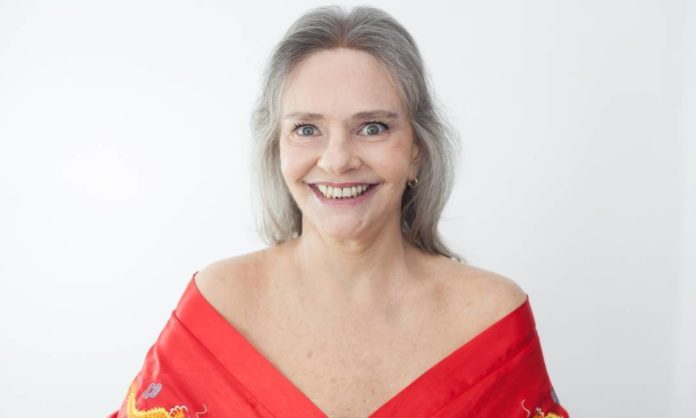
    Ghana: Military lesbian couple got married, have been detained and face court martial

    A Ghanaian military lesbian couple who got married over the weekend, have reportedly been detained and facing court-martial. 

    In the videos shared online before their arrest, the ladies looked happy as they danced together while their guests cheered them on. 

    The event led to divided opinions on social media as many asked why such “ungodly and abominable” event will be allowed in the West African country.

    Continue reading: https://www.ghanaweb.com/GhanaHomePage/NewsArchive/Ghanaian-military-lesbian-couple-who-got-married-detained-facing-court-martial-1070242 (source)

    Lesbian couple slam Facebook after snap of them touching foreheads was banned for being ‘sexually explicit adult content’

    A lesbian couple have condemned Facebook after a promotional advert showing their foreheads gently touching was rejected for being ‘sexually explicit adult content’ – while an image showing a heterosexual couple in the same pose was allowed.

    Musical duo Sera Golding-Young, 36, and her wife Frankie, 32, had posted a video to announce the release of a new album – and made a sponsored advertisement in a bid to reach fans.

    But the post was said to have violated Facebook’s Community Standards rules under its ‘Objectionable Content’ clause, which targets illicit images of nudity or sexual activity.

    Continue reading: https://www.dailymail.co.uk/news/article-8780465/Lesbian-couple-slam-Facebook-video-touching-foreheads-BANNED.html (source)

    U.K: Sue Perkins Reveals She Was Victim Of A Homophobic Attack

    Former Great British Bake Off host Sue Perkins has revealed that she was victim to a homophobic attack that left her in tears.

    The presenter and comedian says she “burst into tears” after a man verbally assaulted her on Hampstead Heath in North London. Speaking on an episode of the Homo Sapiens podcast, Perkins revealed: “I did have my first homophobic insult in 20 years recently … I was on the heath and this guy, I think he said, ‘You f***ing dyke.'”

    The 51-year-old TV personality told podcast hosts Alan Cumming and Chris Sweeney that she feared the altercation might turn physical. “At the time, I sort of went right up to him and went: ‘What did you say?'” she recalled, “and he sort of postured a bit almost as if he was going to hit me, almost like an intimation of something physical.”

    Fearful of the situation, Perkins kept her space: “I thought ‘I’m going to just stand here.’ I remember my hand was out because I wanted to keep that distance. Like if you come within the length of my arm I know that something really bad is going to happen.”

    Perkins told Cumming and Sweeney that she maintained her composure before asking him again what he had said. “He just sort of buckled a bit and he went, ‘I just mean you’ve got a nice face, why would you…’ I just thought, ‘What’s my face got to do with you?'”

    Not wanting to escalate the situation, Perkins said she “didn’t want to replace knee jerk unkindness with knee jerk unkindness,” and she told the man :I’m just walking my dog and I’m quiet and I’m in a good mood and I’ve got love for everyone here and you’ve destroyed that and you can’t take that back today” before leaving and bursting into tears.

    Continue reading: https://www.bustle.com/entertainment/sue-perkins-victim-of-homophobic-attack (source)

    Poland: journalist and her niece attacked for presumed lesbianism

    There was a brutal beating in Warsaw. The journalist was walking with her niece, holding the teenager’s arm when passing man attacked the woman because he considered that those he was attacking were a couple – we read in polsatnews.pl. The case was publicized on Facebook by “Polityka” journalist, Piotr Pytlakowski. …

    “About a week ago, a well-known journalist and reporter was beaten up. I found out about it recently. In the vicinity of Galeria Młociny she was walking with her probably 13-year-old niece. They were holding hands. A man started shouting: ***** ****** lesbians!”, wrote the journalist.

    The man attacked the woman on a street near a shopping mall. “He hit the journalist’s face with his fist. Hard – he broke her nose and caused bruises around her eyes” – Pytlakowski reported.
    (Translated)

    W Warszawie doszło do brutalnego pobicia. Dziennikarka spacerowała ze swoją siostrzenicą, trzymając nastolatkę pod rękę. Wtedy mężczyzna przechodzący obok zaatakował kobietę, bo uznał, że osoby, na które napada są parą – czytamy w polsatnews.pl. Sprawę nagłośnił na Facebooku dziennikarz “Polityki” Piotr Pytlakowski. …

    “Ok. tygodnia temu została pobita znana dziennikarka, reportażystka. Dowiedziałem się o tym niedawno. W okolicy Galerii Młociny szła ze swoją chyba 13-letnią siostrzenicą. Trzymały się pod ręce. Jakiś mężczyzna zaczął krzyczeć: Ku* je** lesby!” – napisał dziennikarz.

    Napastnik zaatakował kobietę na ulicy w okolicy galerii handlowej.

    “Uderzył pięścią w twarz dziennikarki. Silnie – złamał jej nos i spowodował sińce w okolicach oczu” – poinformował Pytlakowski.
    (Original)

    Continue reading at: https://fakty.interia.pl/mazowieckie/news-warszawa-ktos-pobil-dziennikarke-bo-myslal-ze-jest-lesbijka,nId,4725391 (Source)

    Italy: school fined for sacking lesbian teacher

    The Court of Appeal confirmed the sentence against the Sacred Heart of Trento for the dismissal of a lesbian teacher due to the “confirmed discriminationy on the basis of sexual orientation, individual and collective, and the conduct implemented by the Institute regarding the recruitment of teachers”.

    The sum is almost double what the private school had been required to pay to the women in the first instance: a total of €43,000, including both financial and moral harm. The Institute has now been called upon to pay the CGIL and the association Certi Rights, which had stood up in its defense, a sum of €10,000.

    In the first instance, the compensation had been assessed at €25,000 while the association and the union would have been entitled to €1,500 each.
    (Translated)

    La Corte di Appello conferma la sentenza contro il Sacro Cuore di Trento a causa della “accertata natura discriminatoria per orientamento sessuale, individuale e collettiva e la condotta attuata dall’Istituto in ordine alla selezione per l’assunzione degli insegnanti” per il licenziamento di una docente lesbica.

    Una somma quasi raddoppiata rispetto a quella che la scuola privata era stata destinata a pagare in primo grado alla donna: in tutto 43mila euro tra danno patrimoniale e morale. L’Istituto è stato chiamato ora a risarcire con una somma di 10mila euro anche la Cgil e l’associazione radicale Certi Diritti, che si erano schierate in sua difesa.

    In primo grado il risarcimento era stato quantificato in 25mila euro mentre all’associazione e al sindacato sarebbero spettati 1.500 euro a testa.
    (Original)

    Continue reading at: https://www.lavocedeltrentino.it/2020/09/02/licenziata-perche-lesbica-listituto-sacro-cuore-paga-piu-di-40mila-euro-alla-prof-discriminata/ (Source)

    Brazil: how gynaecology fails lesbians

    Lesbian and bisexual women go to the gynecologist less than heterosexual women. According to data from the report on Comprehensive Health Care for Lesbian and Bisexual Women, from the Ministry of Health, only 47% of this group have gynecological consultations annually, while the number rises to 76% when we talk about straight women, according to Febrasgo (Brazilian Federation of Associations of Gynecology and Obstetrics).

    To understand why this happens, Delas listened to 45 non-heterosexual women on the topic. Anonymous reports reveal negligence, unpreparedness and prejudice by health professionals when it comes to sex between women. 
    (Translated)

    Mulheres lésbicas e bissexuais vão menos ao ginecologista do que as heterossexuais. Segundo dados do relatório Atenção Integral à Saúde das Mulheres Lésbicas e Bissexuais, do Ministério da Saúde, apenas 47% deste grupo faz consultas ginecológicas anualmente, enquanto o número sobe para 76% quando falamos de mulheres hétero, segundo Febrasgo (Federação Brasileira das Associações de Ginecologia e Obstetrícia).

    Para entender porque isso ocorre o Delas ouviu 45 mulheres não-heterossexuais sobre o tema. Os relatos anônimos revelam negligências, despreparo e preconceito de profissionais da saúde quando o assunto é sexo entre mulheres.
    (Original)

    Continue reading at: https://delas.ig.com.br/saudedamulher/2020-09-01/lesbicas-e-bi-denunciam-negligencia-de-ginecologistas-nao-nos-examinam.html (Source)

    Argentina: attack on lesbian couple after long term harassment

    September 2020:

    In another anti-lesbian attack in the Buenos Aires neighborhood of Constitución, two lesbians were attacked on Monday night  after constant and long-standing hatrassment and threats. One of the assaulted lesbians lives on O’Brien Street and is a neighbor of the alleged aggressor.

    He has always insulted her for her sexuality and made fun of her when he saw her hugging or walking hand in hand with her girlfriend in the neighborhood. Last Monday, faced with one of the usual insults, the couple responded. The man then retrieved a baseball bat from his house, and together with his friend, they chased and beat the women in the middle of the street.

    The couple reached the corner of Santiago del Estero, trying to get help. A group of policemen who were traveling through the area heard the women’s screams and were able to arrest the 67-year-old man and an accomplice friend who was with him at the time of the savage beating. “He hit me because I am lesbian,” said the victim when she was helped by the police. The police immediately notified SAME, according to Infobae.
    (Translated)

    Dos lesbianas fueron agredidas el lunes por la noche en un nuevo ataque lesboodiante en el barrio porteño de Constitución. Si bien este hecho legó a los medios, lo cierto es que las agresiones y amenazas son constantes y de larga data. Una de las lesbianas agredidas vive sobre la calle O’ Brien al 1.200 y es vecina del agresor.

    Desde siempre, éste la insulta por su elección sexual y se burlara de ella cuando la veía abrazada o caminando de la mano de su novia por el barrio. El pasado lunes, ante una de las habituales agresiones, la pareja respondió. E hombre decidió entonces buscar un bate de beisbol de su casa, y junto a su amigo, las persiguieron y golpearon en plena calle.

    Al llegar a la esquina de Santiago del Estero para pedir ayuda, un grupo de policías que recorría la zona escuchó los gritos de la mujer y pudo detener al hombre de 67 años y a un amigo cómplice que se encontraba con él en el momento de la feroz golpiza. “El me pegó porque soy torta”, relató la víctima al ser auxiliada por los efectivos, quienes inmediatamente dieron aviso al SAME, según consignó Infobae.
    (Original)

    Continue reading at: https://www.nueva-ciudad.com.ar/notas/202009/44492-ataque-lesboodiante-en-constitucion-me-pego-porque-soy-torta.html (Source)


    Brazil: teenager attacked by father for being lesbian

    The grandmother of a 16-year-old teenager reported the girl’s father after he attacked her granddaughter. According to the grandmother, the girl was beaten because of her sexual orientation – the girl is a lesbian. The complaint was made on Wednesday (9 September) and the case occurred in the city of Ipiaú, in Bahia.

    The police are investigating what happened and the girl will remain with her grandmother. According to the 9th Regional Interior Police Coordination (Coorpin), the girl said she had also been attacked by her father with a machete “sheath”, a type of case used to preserve the object’s blade.

    The perpetrator, who has already been summoned by the police, was not found at the house after the report. The grandmother also pointed out that the girl has been assaulted several times for the same reason.
    (Translated)

    A avó de uma adolescente de 16 anos denunciou um pai após a sua neta ser espancada. Segundo a avó, a garota apanhou em função de sua orientação sexual – a menina é lésbica. A denúncia foi feita na quarta-feira (9) e o caso ocorreu na cidade de Ipiaú, na Bahia.

    A polícia está investigando o ocorrido e, a priori, a menina deve permanecer com a avó. Segundo a 9ª Coordenadoria Regional de Polícia do Interior (Coorpin), a menina disse que também havia sido agredida pelo pai com uma “bainha” de facão, um tipo de estojo usado para preservar a lâmina do objeto.

    O agressor, que já foi intimado pela polícia, não foi encontrado na casa após a denúncia. A avó ainda destacou que a garota já foi agredida várias vezes pelo mesmo motivo.
    (Original)

    Continue reading at: https://observatoriog.bol.uol.com.br/noticias/menina-e-espancada-pelo-pai-por-ser-lesbica-policia-investiga (Source)