“For a very long time, being openly a Christian lesbian was like walking on eggshells. Today things have changed a lot. Four years ago, I could be the subject of criticism and gossipy backbiting within my parish. That’s no longer the case at all, because I’ve asserted myself without denying who I am. I’ve made my place instead of abandoning my faith.”
Akissi is a lesbian from Ivory Coast in West Africa, living in Abidjan. She has been diagnosed with rectal cancer and has been able to undergo chemotherapy and one surgery, but she needs a second surgery to fully recover. Medical treatment in Ivory Coast is expensive. Akissi’s surgery costs 3 million CFA francs, or around CA$7,000 (around AU$7630, or 4,690€). Akissi has managed to raise part of the funds, but is still CA$5,000 short of the full cost of the operation. Because she is a lesbian, she is estranged from her family and does not have any support to help raise the additional funds.
Akissi est une lesbienne originaire de Côte d’Ivoire, en Afrique de l’Ouest, qui vit à Abidjan. Elle a été diagnostiquée avec un cancer du rectum et elle a pu suivre une chimiothérapie et subir une intervention chirurgicale, mais elle a besoin d’une seconde opération pour être complètement rétablie. Les traitements médicaux en Côte d’Ivoire sont coûteux. L’opération d’Akissi coûte 3 millions de francs CFA, soit environ CA$7000 dollars canadiens (environ AU$7630 dollars australiens, ou 4 690€). Akissi a réussi à réunir une partie des fonds, mais il lui manque l’équivalent de CA$5000 dollars canadiens pour pouvoir payer le prix de l’opération. Parce qu’elle est lesbienne, elle n’a plus de contact avec sa famille et elle n’a pas de soutien pour réunir le reste de l’argent.
“Lesbians and queer women in Haiti are living in fear after notorious gang leader Krisla, who is believed to be behind numerous heinous kidnappings, expressly threatened to target lesbian teenagers in the southern Port-au-Prince suburbs of Fontamara and Tibwa in a series of voice recordings on social media.
These threats have arrived in a deteriorated security situation amid gang rivalry in the capital, while the United Nations-funded police mission that was welcomed by Haitian authorities is struggling to restore order.”
“Although homosexuality is not penalized in Haiti, Krisla says he would like to see it de facto outlawed in the areas under his control, especially if it involves female homosexuality. Moreover, he adds that girls need to be watched more than boys, in order to reinforce gender norms on them.”
Spain’s High Court has found former Spanish soccer head Luis Rubiales guilty of kissing star striker Jenni Hermoso on the lips without consent, after the Women’s World Cup final in Sydney in 2023. Rubiales, 47, was accused of sexual assault and coercion over allegations he tried to pressure Ms Hermoso into declaring the kiss was consensual. The court ordered him to pay a fine worth more than 10,000 euros ($16,300), but acquitted him of the charge of coercion.
“A female student was expelled from her Islamic University residence hall on Jan. 21, while a female friend of hers was turned over to police after a crowd of students accused the pair of homosexuality.
The university’s actions were blatant discrimination and a gross violation of human rights without regard for the principles of justice and human dignity. according to the human rights organization JusticeMakers Bangladesh in France (JMBF).”
“A former New Jersey lieutenant has been awarded $750,000 in her lawsuit against her former boss, who she claimed sexually harassed her and discriminated against her for being a lesbian.
The lawsuit, first reported by Transparency NJ, was brought by now retired Lt. Constance Crea, who was hired in 1996 and promoted to lieutenant in 2019, against the town of Piscataway and former Police Chief Thomas Mosier. Crea accused Mosier of “a pattern and practice of behavior of sexual harassment, discrimination, hostile work environment, preferential treatment and failing to comply with his own policies.”
Crea accused Mosier of frequently yelling at her and making degrading comments, such as telling her to “doll herself up” or asking “approximately every other month, ‘Who’s mowing the grass?’” which Crea believed to be a reference to her sex life with her wife.”
‘We can’t let homophobes win’: taxi driver ‘sped up’ when seeing her cross the road with her partner.
“Caoimhe, who is known on stage as Freya Femme, said the driver shouted homophobic insults at the couple after narrowly avoiding them.
Writing on the Cork subreddit, Caoimhe claimed: ‘A taxi driver, in his taxi with another person, they were waiting to cross the road.
‘He waited for us to be in the middle and then sped the car towards us threateningly to make us run and shouted homophobic things out the window at us.”
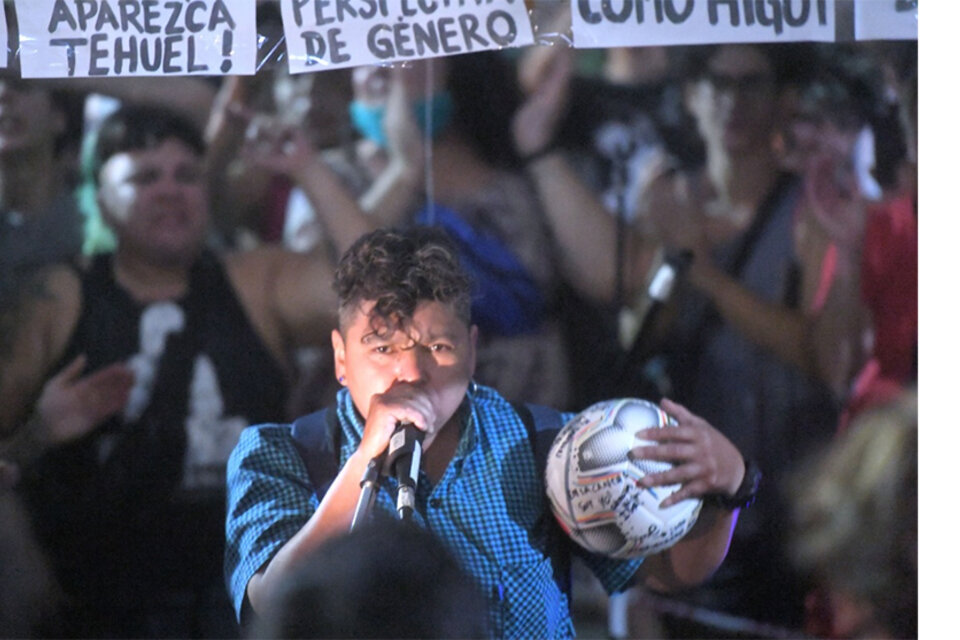
Higui speaks after being acquitted of manslaughter, having defended herself during a brutal and traumatic attack and attempted corrective rape.
On October 16, 2016, Argentinian woman Eva Analía De Jesús, better known as Higui, was walking through the Buenos Aires town of Bella Vista when a group of men attacked her because of her sexual orientation. Higui — who was given that nickname because she was a soccer player and had curls like the Colombian René Higuita — told the police and later the judges that her attackers beat her and tried to rape her. “I’m going to make you feel like a woman…a lesbian,” Cristian Rubén Espósito told her, according to his account. She took out a knife and plunged it into his chest. She fainted and when she regained consciousness she was arrested. Despite the fact that she reported an attempted corrective gang rape and that she was found unconscious by police officers, with torn clothing and numerous injuries from beating, her allegations were never investigated. She was charged with simple murder and spent almost eight months in jail. This Thursday she was aquitted. (Translated)
El 16 de octubre de 2016, la argentina Eva Analía De Jesús, más conocida como Higui, caminaba por la localidad bonaerense de Bella Vista cuando un grupo de hombres la atacó debido a su orientación sexual. Higui —a quien le pusieron ese apodo por ser futbolista y tener rulos como el colombiano René Higuita— contó ante la policía y después ante los jueces que sus agresores la golpearon e intentaron violarla. “Te voy a hacer sentir mujer, forra, lesbiana”, le dijo Cristian Rubén Espósito, según su relato. Ella sacó una navaja y se la clavó en el pecho. Se desvaneció y cuando recuperó la conciencia estaba detenida. A pesar de que ella denunció un intento de violación grupal correctiva y que fue encontrada inconsciente por los policías, con la ropa rota y numerosos golpes, sus acusaciones nunca se investigaron. Fue acusada de homicidio simple y pasó casi ocho meses encarcelada, pero este jueves un tribunal dictó su absolución. (Original)
A 20-year-old lesbian student was a victim of homophobia inside a nightclub in São Bernardo do Campo (SP) in the early hours of Sunday (30 January). First she was verbally abused and then she was the victim of physical violence. Gabriela Oliveira Guimarães was at the place called Blow Rudge accompanied by three cousins when she was verbally attacked by other regulars, who called her “dyke” and “Male Maria”. (Translated)
Uma estudante de 20 anos, lésbica, foi vítima de homofobia dentro de uma casa noturna em São Bernardo do Campo (SP) na madrugada de domingo (30). Primeiro, por meio de agressões verbais. Depois, foi vítima de violência física. Gabriela Oliveira Guimarães estava no local de nome Blow Rudge acompanhada por três primos quando foi ofendida por outros frequentadores, que a chamaram de “sapatão” e “maria macho”. (Original)
Outraged because two young girls publicly were affectionate on the bus, a seventy-year-old threatened them with a knife and repeatedly insulted them by shouting “ugly lesbians, either stop it or I’ll put a knife in your belly”.
The serious instance of homophobia occured the other evening on the Amt bus number 13 from Corso Saffi to the terminus of via Turati, in Caricamento. At this point, thanks to both to passengers reporting the situation to the Police emergency number, to the Amt operations center, the woman was intercepted by a police car patrol.
The seventy-year-old, who already possessed a small criminal record, was reported on foot, but got away with a simple report for threats aggravated by the use of the knife (which was later found in the hands of an acquaintance, who was reported for aiding and abetting).
(Translated)
Indignata perchè due ragazzine si scambiavano pubblicamente carezze ed effusioni sul bus, una settantenne le ha minacciate con un coltello e offese in modo ripetuto gridando più volte “brutte lesbiche, o la smettete o vi pianto un coltello nella pancia”.
Il gravissimo fatto di omofobia è accaduto l’altra sera sul bus Amt numero 13 che da corso Saffi stava raggiungendo il capolinea di via Turati, a Caricamento: proprio qui grazie all’allarme lanciato al 112 da alcuni passeggeri e dalla centrale operativa di Amt la donna è stata intercettata da una pattuglia delle volanti della polizia.
La settantenne, con già alle spalle piccoli precedenti penali, è stata denunciata a piede libero, ma se l’è cavata con una semplice segnalazione per minacce aggravate dall’uso del coltello (poi rinvenuto nelle mani di un suo conoscente, per questo denunciato per favoreggiamento). (Original)
The name of Javiera Mena is a beacon for the Latin American LGBTQ community, even more so among in the musical community.
Since the beginning, Mena has sung about lesbian love, while fighting to defeat the stigma around that. Her battle for the visibility of the LGBTQ community, of which she is a part, has led her to be considered an icon.
The Chilean singer-songwriter presented her Extended Play “Entusiasmo” a month ago, hinting at the album she plans to release in 2022.
The production includes the singles “Diva” with Chico Blanco, a song to pay tribute to the LGBTQ community, and “Dos”, a ballad that tells the story of a woman in love with two other women.
Towards the normalization of lesbian love in music
But is it easy to write and sing love songs between women?
“There are few songs which are a lesbian woman singing to another woman. There are very few of these in the mainstream although there must be more now. I’m sure I am missing some and that there will be more and more.” Mena told Zona Pop CNN.
“In pop music we always have had gay men. We have great gay performers – Freddie Mercury, George Michael, Elton John. Even in Latin America, we had Juan Gabriel – although what was obvious didn’t need to be asked about [his iconic response to being asked if he was gay]. But we don’t have many references for lesbian women in Latin America, or in the rest of the world,” adds the singer-songwriter. (Translated)
El nombre de Javiera Mena es un referente para la comunidad LGBTQ en Latinoamérica. Más aún la musical.
Desde sus inicios, Mena le ha cantado al amor lésbico, al mismo tiempo que ha luchado para derrotar el estigma alrededor de esa palabra. Su batalla por la visibilización de la comunidad LGBTQ, de la cual es parte, la ha llevado a ser considerada un ícono.
La cantautora chilena presentó hace un mes su Extended Play “Entusiasmo”, un abrebocas del que será el disco que prevé lanzar en 2022.
De la producción se desprenden los sencillos “Diva” junto a Chico Blanco, un tema para rendirle tributo a la comunidad LGBTQ, y “Dos”, una balada que cuenta la historia de una mujer enamorada de otras dos mujeres.
Hacia la normalización del amor lésbico en la música
Pero, ¿es fácil escribir y cantar canciones al amor entre mujeres?
“Hay pocas canciones de una mujer lesbiana hablándole a otra mujer. Hay muy pocas igual en el mainstream, o ahora deben haber más, seguramente yo no me estoy enterando y cada vez habrá más”, dijo Mena a Zona Pop CNN.
“En la música pop siempre existió el hombre gay. Tenemos grandes referentes, Freddie Mercury, George Michael, Elton John, incluso en Latinoamérica, Juan Gabriel, que aunque lo que se ve no se pregunta, ¡lo que se ve no se pregunta! Pero de mujeres lesbianas no tenemos muchos referentes en Latinoamérica y en el mundo tampoco”, agrega la cantautora.
For a long time Hana Klein thought she was the only lesbian in Israel, and maybe in the whole world. She was born in 1951, grew up in Tel Aviv and at 11 realized that her feelings were a bit different from those of her girlfriends. But she didn’t know why. Klein says that in the Israel of the 1950s and ‘60s, “there were no words for it.”
The first hint that she wasn’t alone was at a kiosk selling porn magazines and newspapers; one journal caught her eye. “The cover photo was of two bare-breasted women touching each other, with the caption “Contemporary lesbians.” For the first time she realized that there was a word for what she was.
“People can’t imagine the feeling of something missing in conservative Israel at the time. The atmosphere was that there was nothing. For years I walked around in a desert …. Even when I learned what it was called, there was a feeling that nobody else was like me,” Klein says.
“Those were times without a computer, so you couldn’t Google things, there were no community organizations, there was no place to meet. I tried to bring up the subject with friends and see their reactions, and from them I realized that it wasn’t acceptable.”
Klein was one of the first activists in LGBTQ and feminist organizations in Israel. She started the country’s first organization for lesbians, Alef – an acronym for lesbian-feminist organization. She has often been called “Tel Aviv’s first lesbian.”
Editor’s note: While the students at the centre of this story aren’t lesbians, accusing the students of being lesbian in this context demonstrates the social position of lesbians, with both the teacher and the students understanding the word alone to be derogatory. The media article did not challenge this framing.
Meerut: A teacher allegedly called two students lesbians as an insult, dragged them out by thweir hair and paraded them around the school after she spotted them having lunch together. She was “enraged” ar the violation of COVID protocol. Police have recorded the students statements and the school will initiate an inquiry.
The two Class X students were from different sections. One had come into the other’s classroom during lunch break. The teacher in charge, Amita Rastogi, lost her cool. “She used derogatory terms, said we were in a relationship and that we must be seeing each other outside school,” one of the girls said.
In the Tula region, the Khomyakov Home literary festival was canceled after complaints from Orthodox activists. They were outraged by one of the participants – the writer and open lesbian Oksana Vasyakina.
The festival was to take place in the Bogucharovo estate, which belonged to the founder of early Slavophilism, Alexei Khomyakov. The organizers said that the event had to be canceled due to the COVID epidemic in the region. Vasyakina’s friend, feminist Daria Serenko, believes that the reason is different. According to her, “Orthodox activists” and security officials tried to expel Vasyakina from the festival “because she is a lesbian.” The organizers did not agree to expel her, allegedly leading to the entire festival being canceled.
(Translated)
В Тульской области отменили литературный фестиваль «Хомяков home» после жалоб православных активистов. Их возмутила одна из участниц — писательница и открытая лесбиянка Оксана Васякина.
Фестиваль должен был пройти в усадьбе «Богучарово», принадлежавшей основоположнику раннего славянофильства Алексею Хомякову. Однако организаторы сообщили, что мероприятие пришлось отменить из-за эпидемиологической обстановки в регионе. Подруга Васякиной, феминистка Дарья Серенко, считает, что причина в другом. По ее словам, «православные активисты» и силовики пытались выгнать Васякину с фестиваля «за то, что она лесбиянка». Организаторы не согласились, и потому якобы был отменен весь фестиваль.
As reported by Il Mattino, during the night of 24-25 August, a 40-year-old man attacked and beat a lesbian couple, originally from Nocera Inferiore and living together in Castel San Giorgio. … The reason for the blind aggression? Pure and simple homophobia. The man brutally beat them solely because they are lesbians. The Nocera Inferiore Attourney and the deputy prosecutor Angelo Rubano are certain of this. The 40-year-old, already known to the police, went to the home of the two women, convinced them to go outside and attacked them, kicking and punching them.
(Translated)
Come riportato da Il Mattino, nella notte tra martedì e mercoledì un uomo di 40 anni ha aggredito e picchiato una coppia di donne, originarie di Nocera Inferiore e conviventi nel comune di Castel San Giorgio. … Il motivo della furia cieca? Pura e semplice omofobia. L’uomo le avrebbe brutalmente picchiate solo e soltanto perché lesbiche. Ne è certa la Procura di Nocera Inferiore, e il sostituto procuratore Angelo Rubano. Il 40enne, già noto alle forze dell’ordine, ha raggiunto l’abitazione delle due donne, le ha convinte ad uscire all’aperto e le ha aggredite, prendendole a calci e pugni.
A new lesbophobic attack was recorded on August 24 in Castel San Giorgio, in the province of Salerno, where two 40 year old women in a relationship were kicked and punched by a contemporary already known to the police. He had gone to their home to punish them for their homosexual relationship.
During the struggle, one of the two women lost two teeth, while the other suffered bruises and abrasions. The violence continued even after the police arrived and found the two women on the ground bleeding….
(Translated)
Una nuova aggressione di matrice lesbofobica si è registrata lo scorso 24 agosto a Castel San Giorgio, in provincia di Salerno, dove una coppia di donne 40enni è stata vittima di calci e pugni da parte di un coetaneo già noto alle forze dell’ordine, che si è recato presso la loro abitazione proprio per punirle a causa della loro relazione omosessuale.
Durante la colluttazione, una delle due donne ha perso due denti, mentre l’altra ha riportato degli ematomi e delle escoriazioni. La violenza è andata avanti anche in seguito alle forze dell’ordine, che al loro arrivo hanno trovato le due donne a terra sanguinanti…
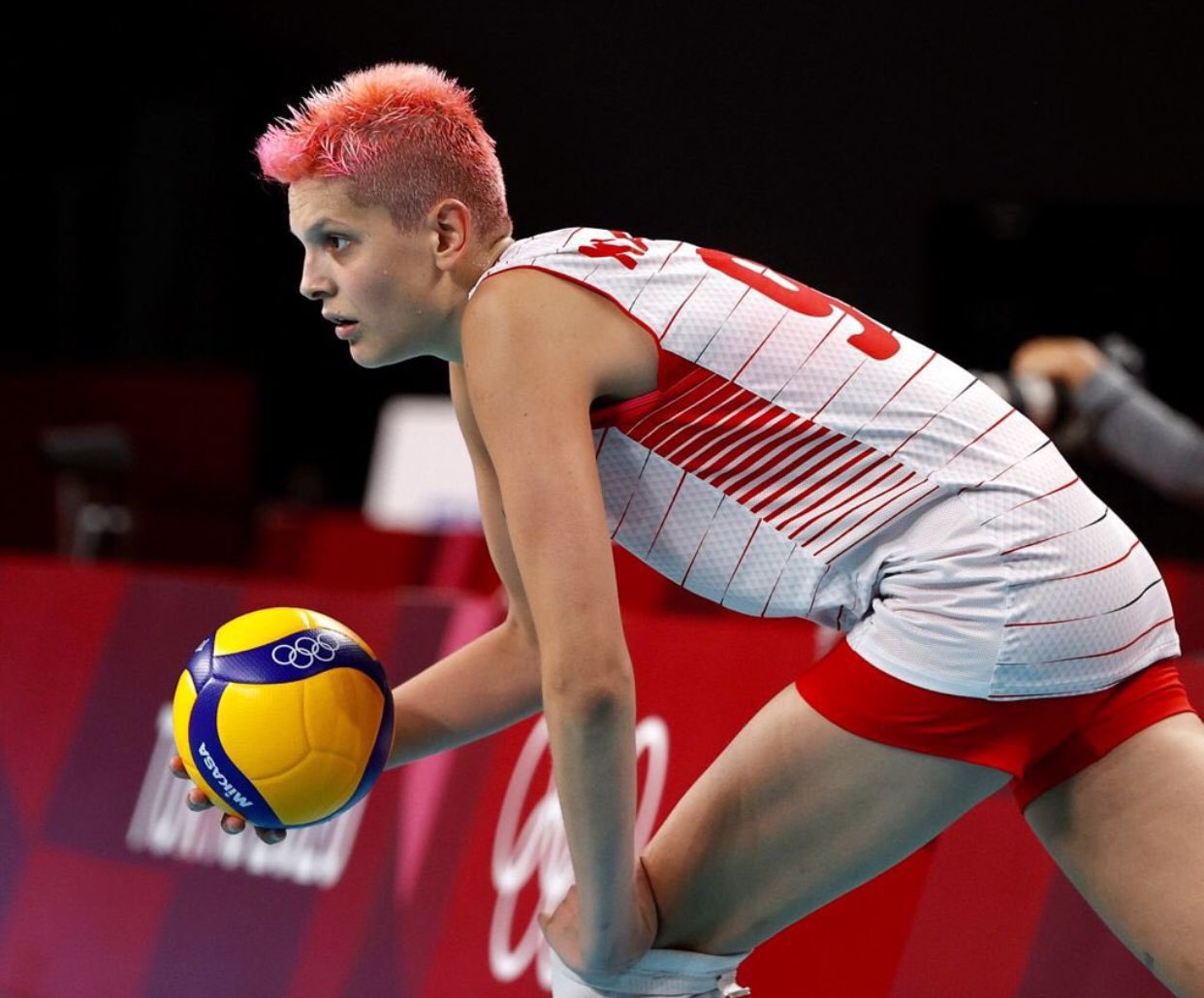
Homophobia has become a rallying cause for Turkey’s President Recep Tayyip Erdogan as it has for fellow populists Hungary’s Viktor Orban and Poland’s Andrzej Duda, who also rely on polarizing issues to whip up support. However, in a stunning rebuke of the Turkish strongman’s anti-gay rhetoric, Turks of all stripes came out in defense of Turkish Olympic volleyball star Ebrar Karakurt when she faced online abuse after posting intimate photos of herself with a woman on Instagram. …
Erdogan has taken to homophobic salvos of late and makes no secret of his disapproval for lesbians. “Let’s not dwell on what lesbians shmezbians say. Let us heed our mothers. The mother is the pillar of the family,” he said in February, at the height of mass protests over his appointment of a despised rector to Istanbul’s Bogazici University. Melih Bulu’s first order of business was to ban the university’s LGBT club.
Turkey’s interior minister has called gay people “perverts” and Gay Pride marches have been banned since 2016. Turkey’s withdrawal from the Istanbul Convention on combating violence against women, a document that was championed by Erdogan in his reformist days, was justified on the grounds that it somehow encouraged homosexuality. The anti-gay messaging is also being spread by the powerful State Religious Affairs Directorate. Its president, Ali Erbas, claimed in a sermon last year that homosexuality “brings disease in its wake and causes generational rot and decay.”
Yildiz Tar, media and communication program coordinator for Kaos GL, Turkey’s oldest LGBT+ advocacy group, said she wasn’t surprised by the sea of support for Karakurt. “We have made huge strides. Turkey’s society is far more accepting of the LGBT+ community but the government has fallen behind society and is persisting in anachronistic and homophobic policies,” Tar told Al-Monitor.
Albro McLean, the man who raped his lesbian neighbour in an attempt to “make her a women”, has received a life sentence in the Western Cape High Court.
He was convicted for “corrective rape”, despite pleading not guilty to charges of rape and assault with aggravating circumstances, in the Wynberg Regional Court. …
During his appeal, his lawyer argued that the sentence handed down was disproportionate to the offence and that the court overemphasised the seriousness of the offence, at the expense of personal circumstances of the accused.
State advocate, Liezel Scholzel dismissed the argument: “Rape is a very serious offences constituting, as it does, a humiliating, degrading and brutal invasion of privacy, dignity and the person of the victim. It is regarded as a cancer within the society. Not only did the appellant rape the complainant, but he did so with a further motive and out of prejudice that he had against her sexual orientation, causing further serious emotional trauma to the complainant.
“This type of rape has been informally termed as ’corrective’ rape. Corrective rape is not the same as ‘mere’ rape in that it is committed based on prejudice and intolerance. Hate crimes, by nature, cause greater harm than ordinary crimes because they increase the vulnerability of the victims as they are unable to change the characteristics which made them a target,” she said.
She asked that the courts send out a clear message that those types of attacks would not be tolerated.
A refugee because of homophobia and violence in Mozambique, Lara was assaulted and saw friends being killed and raped for their sexuality. Since 2013, she has lived with her wife and child in São Paulo. … “He punched me in the face, I’ll never forget it,” recalls 37-year-old businesswoman Lara Lopes, referring to one of her memories of life in Mozambique, Southeast Africa, when she was attacked by a man in the street for being a lesbian. Another vivid memory was the day her own family excluded her from dinner. “I never forget the day I went to dinner at my aunt’s house with my cousins. They excluded me, put me in a corner by myself and forbade their women to talk to me”. Both episodes were based on the same reason: homophobia. … Her father, who was very involved in sport, heard other people talking about Lara and left the family because of his daughter’s sexuality. “He always heard something, but he never came to talk about it. One day he left the house, he didn’t tell anyone and when my mother tried to find out why, he said that I was using drugs, but I never did that in my life. I soon understood what was happening”, she says.
In addition to her father’s abandonment, prejudice, according to her, is part of a society strongly influenced by Christian religions, predominantly evangelical ones. “They cursed and yelled in the street, I sometimes heard it, without even knowing where the person was. Sometimes the person would throw something from the top of a building on our heads – there were people who would throw water”.
Other than that, Lara saw even more violent forms of homophobia in the country where it was a crime to be gay until July 2015. “In the south they do a lot. Two friends of mine who couldn’t stand the verbal abuse were murdered. I sometimes ask myself: if I were still in Mozambique wouldn’t that be me?”, she asks.
One of the cases she remembers was the day when a man attacked her at the end of a football game. “It was in a public field in the center of the city, called Campo do Estrela. It’s normal for men to hint, but there are people who swallow it, my friends don’t. The guy wanted to start a fight with us, he went for it completely, cursed us with a lot of names, he punched me in the face. And I’m absolutely sure that if he sees me today, he’ll remember it very well”, she says, disgusted. “These are things you can’t forget, they’re kept there in a little drawer”, she laments.
State violence Homophobia is a legacy of colonialism that prevails to this day in at least 30 African countries which retain the criminalisation of same-sex relationships, or otherwise restrict non-heteronormative sexual practices, according to information from the 2019 State-Sponsored Homophobia report, produced by International Lesbian and Gay Association (ILGA).
Mozambique, which was a Portuguese colony, broke away from its Penal Code that penalised LGBT people in 2015, but no protection was granted in relation to sexual orientation or gender identity, says the report, which also pointed to the Mozambican state’s refusal to register the NGO Lambda Moçambique, which deals with LGBT rights”.
Lambda has been in a legal battle for more than 10 years to be legally recognized by the Mozambican government, despite being the first association for the defense of sexual minorities in the country. The entity’s performance was also part of Lara’s life. “Despite being dangerous, I have always lived with LGBT people, I was part of the direction of Lambda, which is still not accepted by the government. It is not an easy task. Religion influences so much, especially the evangelicals. They think they are the owners of the truth and position themselves as God. My wife’s mother is an extreme evangelical, for example.”
(Translated)
Refugiada por causa da LGBTfobia e da violência do Estado de Moçambique, Lara foi agredida e viu amigas sendo mortas e estupradas por sua sexualidade. Desde 2013, ela vive com a esposa e um filho em São Paulo … “Ele me deu um soco na cara, nunca vou esquecer isso”, lembra a empresária de 37 anos, Lara Lopes, ao se referir a uma das memórias de sua vida em Moçambique, sudeste da África – ela foi agredida por um homem na rua por ser lésbica. Outra recordação viva em sua mente foi o dia em que a própria família a excluiu de um jantar. “Nunca esqueço o dia que eu fui jantar na casa da minha tia, entre primos, eles me excluíram, me colocaram num canto sozinha e proibiram suas mulheres de conversarem comigo”. Ambos os episódios têm o mesmo motivo: LGBTfobia. … O pai, que frequentava muito o meio do esporte, ouvia outras pessoas falando de Lara e abandonou a família por conta da orientação sexual da filha. “Ele ouvia sempre alguma coisa, mas nunca chegou para conversar a respeito. Um dia ele saiu de casa, não falou para ninguém e quando a minha mãe procurou saber o porquê, ele falou que eu estava consumindo drogas, mas eu nunca consumi na minha vida. Logo entendi o que estava acontecendo”, conta.
Além do abandono do pai, o preconceito, segundo ela, faz parte da sociedade influenciada fortemente por religiões cristãs, predominantemente as evangélicas. “Xingavam e gritavam na rua, eu ouvia às vezes, sem nem saber onde é que a pessoa estava. Às vezes a pessoa jogava alguma coisa do alto de um prédio na nossa cabeça, tinha gente que jogava água”.
Fora isso, Lara viu formas ainda mais violentas de LGBTfobia no país em que era crime ser homossexual até julho de 2015. “Chamam a pratica de estupro em pessoas LGBTs de ‘violação cura’, ou ‘violação correctiva’, que agora na África do Sul eles fazem muito. Duas amigas minhas que não aguentavam os desaforos foram assassinadas. Eu às vezes me pergunto: será que se eu estivesse em Moçambique não estaria nessa estatística delas duas?”, questiona.
Um dos casos lembrados por ela foi o dia em que um homem a agrediu ao final de um jogo de futebol. “Foi em um campo público que fica no centro da cidade, chama-se Campo do Estrela. É normal os homens mandarem indiretas, só que tem gente que engole, minhas amigas não. O cara estava com vontade de criar briga com a gente, ele foi pra cima, com tudo mesmo, xingou a gente um monte de nome, ele me deu um soco na cara. E eu tenho a certeza absoluta que se ele me ver hoje, ele vai se lembrar muito bem disso”, conta, revoltada. “São coisas que não tem como você esquecer, está lá guardado numa gavetinha”, lamenta.
Violência do Estado A LGBTfobia é uma herança do colonialismo que impera até hoje em ao menos 30 países africanos que persistem em manter como crime as relações entre pessoas do mesmo sexo ou em restringir práticas sexuais não heteronormativas, segundo informações do relatório Homofobia Patrocinada pelo Estado 2019, produzido pela Associação Internacional de Gays e Lésbicas (ILGA).
Moçambique, que foi colônia portuguesa, se desvencilhou de seu Código Penal que penalizava pessoas LGBT em 2015, mas nenhuma proteção foi concedida em relação à orientação sexual ou identidade de gênero, diz o relatório, que também apontou a negação do Estado moçambicano em registar a ONG Lambda Moçambique, que trata dos direitos LGBTs “.
Lambda está há mais de 10 anos em uma batalha jurídica para ser reconhecida legalmente pelo governo moçambicano, apesar de ser a primeira associação de defesa de minorias sexuais no país. A atuação da entidade também fez parte da vida de Lara. “Apesar de ser perigoso, eu sempre convivi com pessoas LGBTs, fiz parte da direção da Lambda, que até agora não é assumida pelo governo, não é uma tarefa fácil. A religião influencia ainda mais, principalmente na parte dos evangélicos, eles se acham os donos da verdade e se colocam na posição de Deus. A mãe da minha esposa é evangélica extremista, por exemplo”.
As women, lesbians will be subjected to the brutal sex based oppression imposed on them by the Taliban, as well as being subjected to the brutal penalties for homosexuality, worsening the already dire position of lesbians in Afghanistan.
Those who concern me most, as a journalist who reported on the last takeover by the Taliban, are the women, girls and LGBT+ people of Afghanistan. It would be impossible to overstate the terrors they each face, now, simply by the mere fact of their existence in a male-dominated, cis-het society in which they have no real place and in which they are at best second-class citizens with no autonomy. Reporters in Afghanistan are already detailing the threat. And if they weren’t, the Taliban leadership has itself been succinct: Sharia law — Islamic law, religious law — will define everything in Afghanistan going forward. Within that construct there is no room for female, queer or trans autonomy. Imposition of the death penalty for homosexuality has been classified as judicial murder of gay and lesbian people; a form of genocide. Yet it is, according to Afghans and human rights advocates, imminent. On August 16, Nemat Sadat, the first gay Afghan to come out publicly, tweeted: “It’s not hyperbole to say that the Taliban will do what Nazis did to homosexuals: weed them out and exterminate them from Afghan society. Please help.” Last month, Gul Rahim, a Taliban judge, told the German newspaper Bild that, “There are only two penalties for gays: either stoning or they have to stand behind a wall that falls on them. The wall must be 2.5 to 3 meters [about 10 feet] high.” I have reported on “corrective rape” and honor killings of lesbians for various publications. I reported on lesbian asylum seekers fleeing Sharia law to the U.K. and stringent new asylum laws here in the U.S. NGOs have reported for years that gay men and lesbians have been raped as punishment–which the U.S. government knows. “[Gays and lesbians] continued to face arrest by security forces and discrimination, assault, and rape,” said the U.S. State Department’s country report on Afghanistan in 2020.














 Listening to Lesbians