Tag Archives: journalism

Being a lesbian in Russia means living in fear

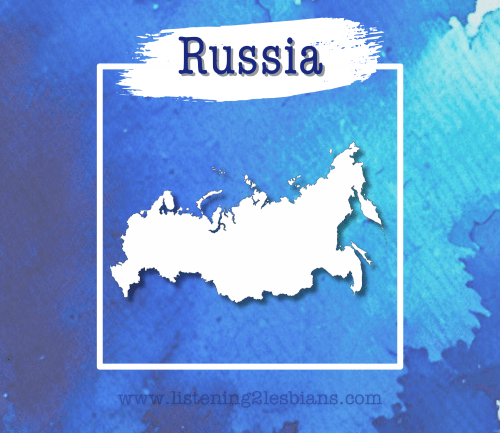
Elena Kostuchenko is a Russian journalist in exile who has risked her life to give a voice to the silenced people in her country, especially the LGBTQI+ community. Her story is that of a woman who has faced threats, violence and censorship, but who has never stopped fighting. Her book El meu país estimat (My Beloved Country), recently published in Catalan, collects testimonies and chronicles published in the newspaper Nóvaya Gazeta , the last independent media outlet in Russia, which was closed down for its critical stance against Vladimir Putin’s regime.

Being a lesbian in Russia is not only a personal challenge, but a matter of survival, as she explains in an interview with El Diario. “In my country, I can’t be at peace as a woman, let alone as a lesbian,” says Kostuchenko. Homophobia is not just a social prejudice, but a state policy. Laws against “LGBTQ+ propaganda” prevent any kind of visibility, and violence against the community is common. “At the first Pride march in Moscow I participated in, I ended up in the hospital after being attacked by protesters,” she recalls.

Original:

Ielena Kostyutxenko (Iaroslavl, 1987) es una periodista rusa en el exilio que ha arriesgado su vida por dar voz a las personas silenciadas en su país, especialmente a la comunidad LGTBIQ+. Su historia es la de una mujer que ha enfrentado amenazas, violencia y censura, pero que nunca ha dejado de luchar. Su libro El meu país estimat (Mi país querido), recientemente publicado en catalán, recoge testimonios y crónicas publicadas en el diario Nóvaya Gazeta, el último medio independiente de Rusia, que fue clausurado por su postura crítica contra el régimen de Vladímir Putin.

Ser lesbiana en Rusia no solo es un desafío personal, sino una cuestión de supervivencia, y así lo cuenta en una entrevista a El Diario. “En mi país, no puedo estar tranquila siendo mujer, y mucho menos siendo lesbiana”, afirma Kostyutxenko. La homofobia no es solo un prejuicio social, sino una política de Estado. Las leyes contra la “propaganda LGTBIQ+” impiden cualquier tipo de visibilidad, y la violencia contra la comunidad es frecuente. “En la primera marcha del Orgullo en Moscú en la que participé, terminé en el hospital tras ser agredida por manifestantes contrarios”, recuerda.

Continue reading at: https://mirales.es/ielena-kostyutxenko-ser-lesbiana-en-rusia-significa-vivir-con-miedo/ (Source)

Spain: lesbian journalist attacked at home

A few days ago, on December 13 [2020], the journalist Irantzu Varela suffered a lesbophobic attack at the hands of some neighbors  This is how it was explained by Pikara Magazine, the media outlet at which she works: “They were annoyed with Varela for having left some cardboard to recycle next to the door of her apartment. At night, the couple rang her doorbell and entered her house showing their anger and throwing various objects in the journalists house to the ground.

In addition to punching her several times in the face, they called her a “fucking lesbian,” “degenerate,” and “tomboy.” Varela denounced the attack on the Ertzaintza. However, it is not the first time that she has had to do this: as a feminist activist, she has been subjected to harassment and abuse on social media for years. Beyond social media and in the premises shared with the editorial staff of Pikara Magazine, she has also dealt with fascist graffiti repeatedly in the last year.
(Translated)

Hace algunos días, el 13 de diciembre, la periodista Irantzu Varela sufrió una agresión lesbófoba por parte de unos vecinos. Así lo explicaban desde Pikara Magazine, medio de comunicación del que es colaboradora: «Estaban molestos con Varela por haber dejado unos cartones para reciclar junto a la puerta del piso de esta. Por la noche, la pareja llamó a su timbre y entraron en su casa mostrando su enfado y tirando al suelo varios objetos de la casa de la comunicadora».

Además de propinarle varios puñetazos en la cara, le llamaron «lesbiana de mierda», «degenerada» y «marimacho». Varela denunció la agresión a la Ertzaintza. Sin embargo, no es la primera vez que lo hace: como activista feminista, lleva años recibiendo acoso y violencia en redes sociales. Fuera de ellas, y en el local que compartía con la redacción de Pikara Magazine, también ha lidiado con pintadas fascistas, episodios que se han ido repitiendo desde el año pasado.
(Original)

Continue reading at: https://www.lamarea.com/2020/12/21/la-agresion-a-irantzu-varela-es-el-colmo-mujeres-con-presencia-publica-piden-que-la-violencia-que-sufren-se-considere-tortura/ (Source)

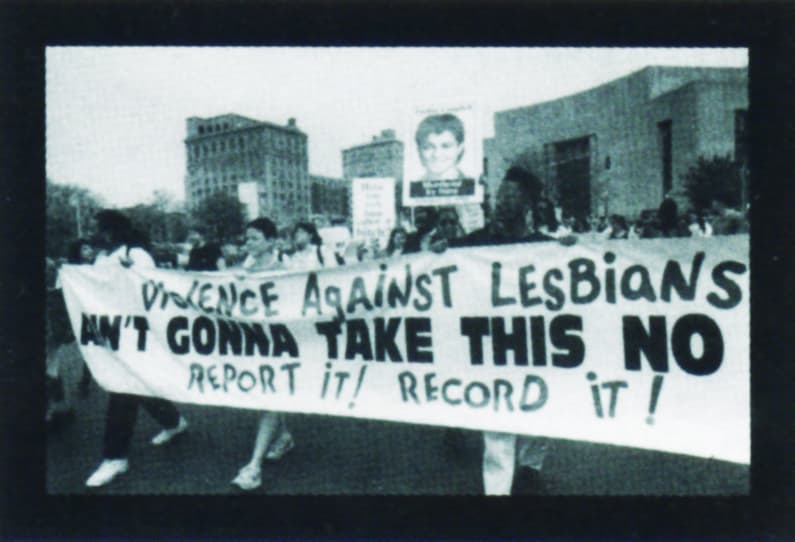
New York, USA: DNA Vindicates Lesbian Rape Victim Smeared by Daily News and NYPD 24 Years Later

Mike McAlary Rape Hoax vindicated

On an afternoon in late April 1994, a young woman was raped in broad daylight in Brooklyn’s Prospect Park. Two days later, the biggest columnist in New York City’s biggest newspaper called her a liar.

The woman—black, a lesbian, and an activist—became the target of a vicious smear campaign by a Daily News columnist and sources within the NYPD, who charged that she had made up a “hoax” to advance a political agenda.

“I have had the misfortune of being raped twice—once in the park and again in the media,” she told her lawyer, Martin Garbus, after the attack.

Continue reading at: https://www.thedailybeast.com/in-1994-nypd-brass-called-her-rape-a-hoax-in-2018-they-found-her-rapist (Source)

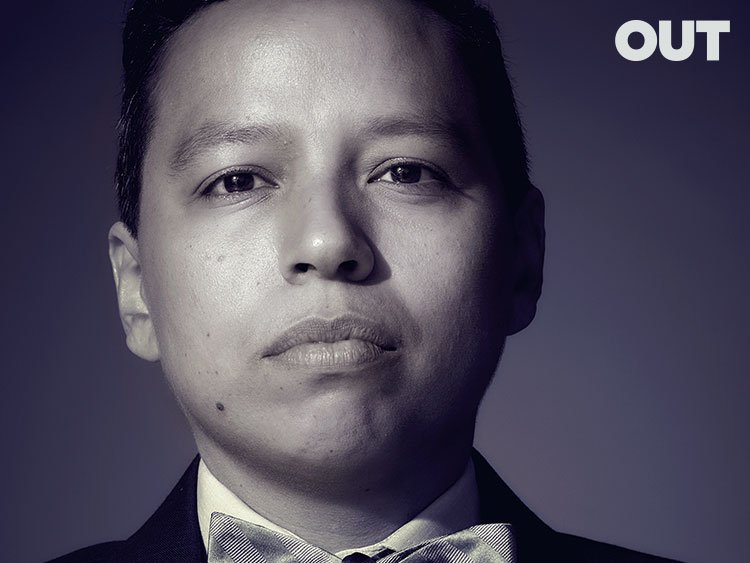
Lydia Polgreen: Black Lesbian Changing Journalism

The last time Lydia Polgreen felt boredom — real boredom, the soul-crushing kind — she was 21 and working for a company in suburban Virginia that helped applicants for H-1B visas. The job was a stopgap between college, where she’d studied Marx and Hegel, and a hazy, uncertain future in which she imagined she might teach philosophy. In the meantime, there she was toiling in some random job, waiting for each day to end. “At some point I thought, This can’t be how my life is going to go. This isn’t for me,” she recalls. “I’m not a person who should ever be looking at the clock, waiting for things to be over — that’s not my destiny.”

Continue reading at: Lydia Polgreen: Meet the Queer Black Woman Changing Journalism | Out Magazine (Source)